

Propylene glycol vs ethylene glycol is not just a technical comparison for engineers. It is a purchasing decision that can affect heat-transfer performance, worker safety, spill response, end-use approval, and whether the material fits the environment where it will be used.
Both glycols are used in industrial systems because they can support temperature control, freezing-point depression, and fluid-transfer needs. The wrong choice, however, can turn a routine coolant or process fluid into a safety, compliance, or product-risk problem. Buyers should begin with application fit, not price or habit.
Propylene Glycol Vs Ethylene Glycol Starts With Use Case
Propylene glycol and ethylene glycol are both water-miscible organic compounds used in heat-transfer and antifreeze applications. They are often discussed together because both can lower freezing points and support fluid circulation in controlled systems.
That similarity can be misleading. The two materials are not interchangeable by default. The right choice depends on toxicity profile, system design, temperature range, corrosion inhibitor package, contact risk, regulatory expectations, and whether the fluid may be used near food, water, HVAC, or production-sensitive environments.
For buyers, the first review should define the system. Is the glycol used in a closed industrial loop, refrigeration system, HVAC system, process cooling circuit, fire-protection system, food-adjacent operation, or vehicle-related application? Each setting changes the risk calculation.
A broader solvent selection guide can help frame the same principle: chemical selection should begin with the job the fluid must perform.
Heat Transfer Performance Is Only One Part Of The Decision
Ethylene glycol is often selected where strong heat-transfer performance, freeze protection, and cost efficiency are key. It has long been used in automotive antifreeze and industrial heat-transfer systems.
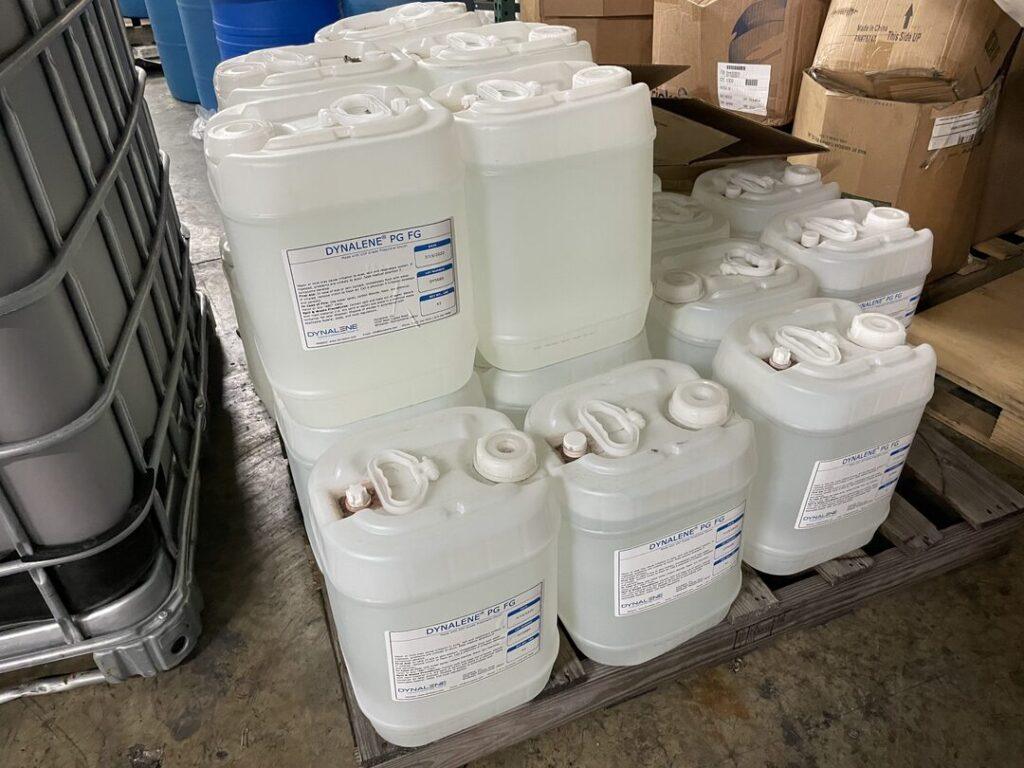
Propylene glycol is also used in heat-transfer fluids, but it is often preferred where lower toxicity concerns matter, especially when there is potential incidental contact with food-related equipment, potable-water-adjacent systems, or occupied spaces. That does not make propylene glycol automatically risk-free or automatically superior. It means the risk profile is different.
System engineers may also consider viscosity, pump load, operating temperature, corrosion protection, material compatibility, and inhibitor chemistry. A glycol fluid is rarely just pure glycol and water. Many commercial formulations include corrosion inhibitors, buffers, dyes, antifoam agents, or other additives that affect performance and suitability.
The buying decision should compare complete formulations, not only the base glycol. The fluid package matters, especially when system reliability depends on long-term corrosion control.
Toxicity Concerns Can Change The Better Choice
Toxicity is the clearest difference buyers usually notice.
Ethylene glycol has greater poisoning concern, especially through ingestion. NIOSH’s ethylene glycol guide identifies exposure routes including inhalation, ingestion, and skin or eye contact, with symptoms that can include irritation, nausea, dizziness, central nervous system depression, and other serious effects.
Propylene glycol generally carries a different safety profile and is used in certain food, cosmetic, and pharmaceutical contexts. The CDC/ATSDR propylene glycol statement notes that it has been approved for use at certain levels in food, cosmetics, and pharmaceutical products.
That distinction is why propylene glycol is often chosen where accidental human or food-adjacent exposure is a realistic concern. Still, buyers should avoid oversimplifying the comparison. Propylene glycol can still require SDS review, workplace controls, spill procedures, grade verification, and concentration management.
For procurement teams, lower toxicity does not remove control requirements.
| Selection Factor | Propylene Glycol | Ethylene Glycol |
|---|---|---|
| Common role | Heat-transfer fluids, food-adjacent systems, cosmetics, pharma-related uses | Antifreeze, industrial heat-transfer systems, automotive and process uses |
| Toxicity concern | Generally lower concern in approved uses, still requires controls | Higher ingestion toxicity concern |
| Application fit | Often preferred where incidental contact risk matters | Often selected for performance and cost in closed systems |
| Buyer review point | Grade, additives, water quality, documentation | Toxicity controls, system containment, SDS accuracy |
| Storage focus | Contamination control and container integrity | Segregation, labeling, containment, exposure prevention |
| Substitution risk | May affect viscosity, flow, cost, and system performance | May increase safety and exposure concerns |
Grade And Purity Decide Whether The Fluid Fits
A glycol name does not prove grade suitability.
Propylene glycol may be sold in industrial, USP, food-grade, cosmetic, or technical grades. Ethylene glycol may be sold for antifreeze, heat-transfer, industrial, or higher-purity uses. Each grade can carry different expectations for purity, water content, acidity, color, residue, inhibitor package, and documentation.
Buyers should request the SDS, Certificate of Analysis, technical data sheet, product specification, and formulation details where relevant. If the glycol will be used near food processing, pharmaceuticals, cosmetics, or sensitive equipment, the grade review becomes stricter.
Water quality also matters. Many heat-transfer systems use glycol-water mixtures, and poor dilution practices can affect corrosion, microbial growth, freezing point, and system performance. A buyer should confirm whether the supplier provides ready-to-use fluid or concentrated glycol that must be diluted on site.
When performance depends on the final mixture, concentration control is quality control.
Storage And Handling Should Match The Risk Profile
Both glycols need controlled storage, even if they are familiar materials.
Containers should be clearly labeled, sealed, and protected from contamination. Partial containers should be closed after use. Transfer equipment should be clean and dedicated where contamination would create system issues. Drums, totes, and tanks should be inspected for leaks, residue, damaged closures, or unclear batch identification.
Ethylene glycol storage deserves stronger attention to access control, spill response, and ingestion-prevention measures because of its toxicity profile. Propylene glycol storage should still prevent contamination, water pickup, mislabeling, and use in the wrong system.
Compatibility also matters. Glycol fluids can interact with metals, elastomers, seals, coatings, and corrosion inhibitors differently depending on formulation and temperature. Buyers should confirm system compatibility before approving a substitution.
The SDS should match the exact grade and formulation supplied. A document for pure glycol may not fully support a formulated heat-transfer fluid, and a generic SDS may not explain the additives that influence system behavior.
The Pressure Point Is Substitution Under Cost Or Supply Pressure
The riskiest glycol decisions often happen when teams try to substitute quickly.
A buyer may switch from ethylene glycol to propylene glycol to reduce toxicity concerns, only to find that viscosity, pumping requirements, freeze protection, or heat-transfer efficiency changes. Another site may switch from propylene glycol to ethylene glycol for price or availability, without fully reviewing exposure risk, spill scenarios, or end-use restrictions.
Neither move should be automatic. The review should include engineering, EHS, QA, maintenance, and procurement. The team should compare system performance, grade, additives, SDS details, concentration, compatibility, storage conditions, and supplier change-control practices.
Propylene glycol vs ethylene glycol should be decided by application fit, not by a single property. Ethylene glycol may be suitable for controlled closed systems where toxicity risk is tightly managed. Propylene glycol may be better where lower toxicity concerns and contact risk matter more. The better purchase is the one that matches heat-transfer needs with safety, documentation, and long-term system control.
FAQ’s
Which is safer, propylene glycol or ethylene glycol?
Propylene glycol is generally selected where lower toxicity concern matters, while ethylene glycol has greater poisoning concern, especially through ingestion. Both still require SDS review, labeling, storage control, and proper handling.
Can propylene glycol replace ethylene glycol in a heat-transfer system?
Not automatically. A replacement should be checked for viscosity, freeze protection, corrosion inhibitors, pump performance, material compatibility, operating temperature, and supplier documentation before approval.
What should buyers check before purchasing glycol fluids?
Buyers should check base glycol type, grade, concentration, inhibitor package, SDS accuracy, CoA requirements, storage conditions, system compatibility, dilution instructions, and whether the application has food, water, or exposure concerns.