

Titanium dioxide pigment sits behind some of the cleanest whites, strongest hiding power, and most consistent color in paints, plastics, and coatings. Buyers often treat it as a familiar white pigment, but the wrong grade can weaken opacity, shift undertone, slow dispersion, or raise formulation cost.
That makes TiO₂ a technical buying decision rather than a simple raw-material order. The best purchase connects optical performance, particle size, surface treatment, purity, and end-use expectations before the material reaches production.
Titanium Dioxide Pigment Starts With Light Control
Titanium dioxide is valued because it scatters light effectively. That light-scattering behavior helps coatings hide the surface underneath, plastics appear brighter, and finished products maintain a clean white appearance.
PubChem’s titanium dioxide profile lists uses in paint, paper, food, plastics, inks, toothpaste, cosmetics, and other products. For industrial buyers, that wide use is not the main point. The real issue is that each application may demand a different technical profile.
A paint producer may care about hiding power, gloss, tint strength, and weathering. A plastics processor may care about dispersion, heat stability, undertone, and resin compatibility. A coatings formulator may need surface-treated grades that support durability and processing.
One name covers many performance expectations. TiO₂ is not one universal grade.
Paints And Coatings Depend On Opacity
In paints and coatings, titanium dioxide is often used to improve opacity, brightness, whiteness, and coverage. A good grade helps the coating hide the substrate with fewer compromises in appearance or film quality.
SpecialChem’s guide to titanium dioxide coatings explains why TiO₂ is useful in coating formulations, especially through its refractive index, light scattering, particle size, and treatment options.
For buyers, the central question is not only whether the pigment is titanium dioxide. It is whether the pigment delivers the required hiding power in the specific binder, formulation, film thickness, and application method.
Poor pigment selection can force formulators to increase loading, adjust extenders, rework tint systems, or accept weaker coverage. That raises cost even when the pigment itself looks cheaper on paper.
In coatings, opacity is an economic decision as much as a visual one.
Plastics Need More Than Whiteness
Plastics buyers often use titanium dioxide for white color, opacity, brightness, UV-related performance, and product appearance. But plastic processing creates different questions from paint formulation.
A TiO₂ grade must disperse well in the resin system. Poor dispersion can cause specks, streaks, weak color uniformity, die buildup, filter pressure issues, or inconsistent appearance. Particle size and surface treatment matter because they influence how the pigment behaves during compounding, extrusion, injection molding, or film production.
Heat exposure also matters. Plastics processing may put pigment under temperature and shear conditions that are very different from coating application. A grade that looks good in a lab drawdown may not behave the same in a high-volume resin process.
The buyer should review resin compatibility, dispersion guidance, undertone, heat stability, moisture, and any supplier recommendations for masterbatch or direct-addition use.
A white plastic part does not only need whiteness. It needs repeatable processing.
| Buyer Review Point | Why It Matters | Possible Production Impact |
|---|---|---|
| Particle size | Controls light scattering and dispersion | Weak opacity, streaking, or poor finish |
| Surface treatment | Improves compatibility and durability | Processing issues or weaker weathering |
| Undertone | Affects the shade of white or tinted systems | Color mismatch between batches |
| Oil absorption | Influences formulation demand in coatings | Higher binder demand or viscosity shift |
| Moisture content | Affects handling and processing stability | Clumping, voids, or dispersion issues |
| Batch consistency | Supports repeatable color and performance | Rework, reformulation, or customer complaints |
Coatings Buyers Should Review Treatment And Weathering
Surface treatment can change how titanium dioxide behaves.
Some grades are treated with inorganic or organic materials to improve durability, dispersion, weathering resistance, or compatibility with certain systems. That can be especially important in exterior coatings, industrial coatings, plastics, and applications exposed to light, heat, moisture, or outdoor conditions.
Buyers should not treat surface treatment as a minor technical footnote. It may affect gloss retention, chalking resistance, yellowing, dispersion, and long-term appearance. The treatment package can also influence whether the pigment is better suited for waterborne coatings, solventborne coatings, plastics, or specialty use.
This is where titanium dioxide specifications become critical. Purity, particle size, treatment, test methods, and lot consistency all help buyers decide whether a grade fits the application.
The risk is silent substitution. If a supplier changes grade, treatment, or production source without proper review, the finished product may change even if the purchase description still says titanium dioxide.
Cost Control Can Create Hidden Formulation Problems
Titanium dioxide is often a significant cost item in paints, plastics, inks, and coatings. That makes price comparison tempting.
But a cheaper grade may not reduce total cost if it requires higher loading, creates color drift, reduces opacity, slows production, or increases rejection rates. A more expensive grade may be the better value when it delivers stronger hiding power, better dispersion, or more predictable batch performance.
Buyers should compare TiO₂ grades using process data, not only supplier pricing. Application trials, drawdowns, compounding tests, color measurements, hiding-power checks, and accelerated exposure tests can reveal differences that a basic quote cannot.
The right question is not “Which TiO₂ costs less?” The stronger question is “Which grade delivers the required performance at the lowest finished-product cost?”
That shift matters because unit price can mislead procurement.
The Pressure Point Is Performance Consistency
The biggest risk with titanium dioxide pigment is assuming that white always performs like white.
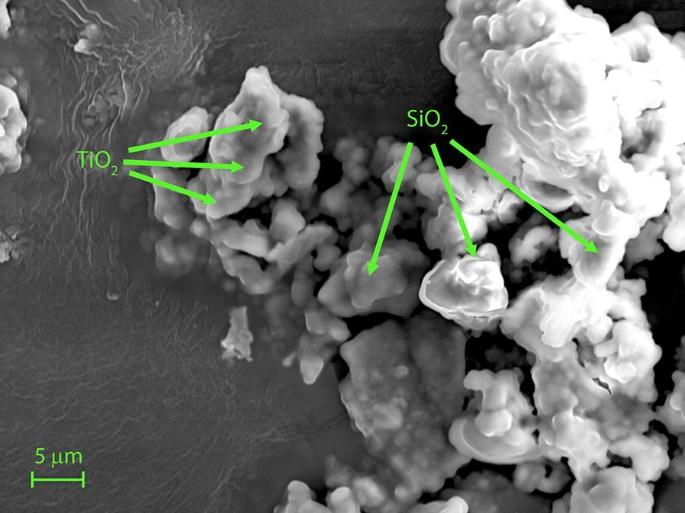
In reality, two TiO₂ grades can produce different hiding power, undertone, gloss, dispersion, tint strength, durability, and process behavior. Those differences can show up as customer complaints, production adjustments, wasted batches, or inconsistent product appearance.
Buyers should monitor particle size distribution, surface treatment, oil absorption, moisture, whiteness, brightness, undertone, test methods, and supplier change-control practices. They should also keep reference samples and performance records for approved grades so future substitutions can be judged against real production history.
Titanium dioxide pigment matters because it sits at the intersection of appearance, performance, and cost. In paints, plastics, and coatings, the right grade helps products look consistent and perform as intended. The wrong grade may still be white, but it can quietly weaken the final product long before the customer sees the label.
FAQ’s
What is titanium dioxide pigment used for?
Titanium dioxide pigment is used to provide whiteness, opacity, brightness, and color control in paints, plastics, coatings, inks, paper, cosmetics, and other products.
Why does particle size matter in titanium dioxide?
Particle size affects light scattering, opacity, dispersion, gloss, color strength, and processing behavior. A grade with poor particle control may create weak hiding power or inconsistent appearance.
Is all titanium dioxide the same?
No. Titanium dioxide grades can differ by particle size, purity, crystal form, surface treatment, undertone, moisture, and intended application. Buyers should match the grade to the process.