

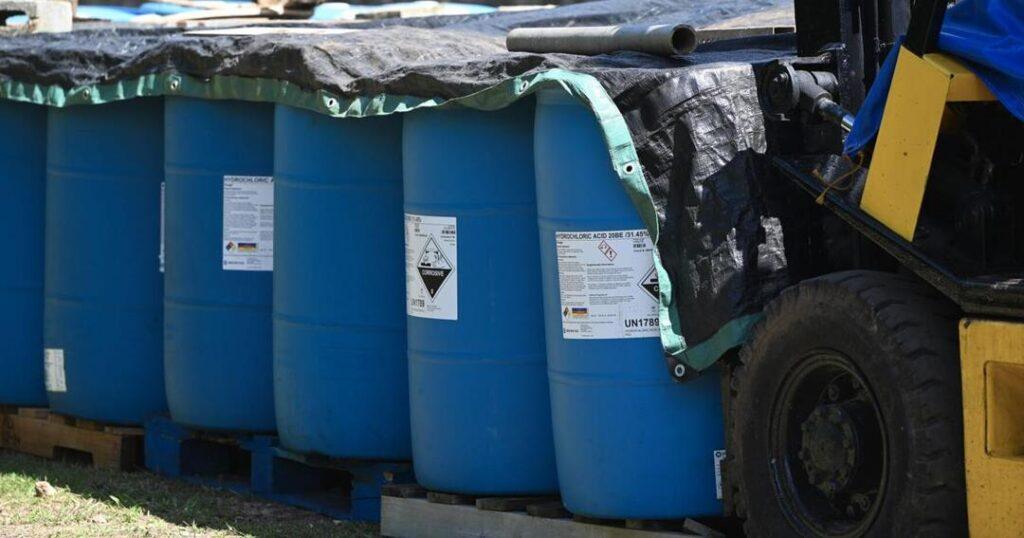
Hydrochloric acid storage is not just a warehouse placement decision. This widely used acid can support cleaning, pH adjustment, metal treatment, and chemical processing, but corrosion, fumes, and packaging failure can quickly turn a routine delivery into a safety and quality problem.
For buyers and warehouse teams, the pressure point is familiarity. Hydrochloric acid is common enough to feel routine, yet corrosive enough that every container, label, venting condition, and safety document needs to match the exact material being received.
Hydrochloric Acid Storage Starts At Receiving
Hydrochloric acid is an aqueous solution of hydrogen chloride. It is used across industrial operations for pH control, cleaning, scale removal, metal pickling, and chemical processing. Those uses are practical, but they do not reduce the need for strict receiving control.
The first inspection should happen before the material enters normal storage. Receiving teams should check the container type, closure condition, label, concentration, batch number, shipping documents, and whether the SDS matches the delivered product.
Hydrochloric acid may be supplied in drums, carboys, totes, or bulk systems. Each format creates different handling risk. A bulk tank requires transfer controls and containment. A drum requires closure inspection and compatible storage. A smaller container may still create fume or spill concerns if the seal is damaged.
A good receiving check is not paperwork for paperwork’s sake. The first safety decision happens at the dock.
Kilburn’s guidance on corrosive storage controls fits this topic because hydrochloric acid belongs in a storage plan built around segregation, compatibility, ventilation, emergency access, and clear identification.
Corrosion Risk Shapes Packaging And Storage
Hydrochloric acid is corrosive to many materials. That affects storage racks, floors, pallets, closures, secondary containment, transfer equipment, and nearby products.
A container that is compatible when new may become a problem if it is damaged, contaminated, exposed to poor storage conditions, or repeatedly opened. Metal shelving, incompatible pumps, unprotected floors, or unsuitable fittings can create preventable failures.
Buyers should confirm whether the supplier’s packaging matches the acid concentration and intended storage period. Warehouse teams should inspect for swelling, residue, staining, corrosion around closures, unreadable labels, or fume damage near storage areas.
Storage should also consider separation from incompatible materials, especially bases, oxidizers, reactive metals, and chemicals that could react dangerously if a leak occurs. Placement matters because a small release can become more serious when the wrong materials are stored nearby.
| Storage Factor | Why It Matters | Practical Control |
|---|---|---|
| Container compatibility | Prevents leaks and material attack | Confirm approved drums, totes, tanks, and closures |
| Ventilation | Controls irritating fumes | Store in areas designed for corrosive materials |
| Segregation | Avoids incompatible reactions | Separate from bases, oxidizers, and reactive metals |
| Secondary containment | Limits spill spread | Use containment suited to corrosive liquids |
| Label condition | Supports emergency response | Reject or quarantine unclear containers |
| SDS match | Guides PPE and first aid | Verify document matches concentration and form |
Fumes Create A Risk Beyond The Liquid
Hydrochloric acid risk is not limited to direct liquid contact. Fumes can irritate the eyes, nose, throat, and respiratory system, especially where ventilation is weak or containers are opened frequently.
OSHA’s hydrogen chloride chemical data supports workplace review for hydrogen chloride exposure and monitoring context.
For site teams, the practical issue is how acid is handled during real tasks. Opening containers, sampling, transfer, dilution, spill cleanup, and line flushing may all create exposure potential. Workers need task-specific PPE, not a generic “acid handling” assumption.
Ventilation should be reviewed wherever containers are opened or transferred. If fumes are noticeable during normal work, the site should not treat odor as harmless familiarity. It is a warning that exposure controls deserve review.
Dilution And Transfer Need Written Discipline
Hydrochloric acid dilution and transfer require controlled procedures.
Adding acid and water improperly can generate heat and splashing. The exact method should follow site procedure, supplier guidance, and SDS instructions. Workers should not rely on memory, shortcuts, or habits passed down informally.
Transfer operations also need compatible pumps, hoses, fittings, gaskets, and containers. A weak gasket or wrong hose material can create a leak even when the acid itself is within specification. Spill kits, eyewash stations, showers, and emergency communication should be accessible before work begins.
The safest systems treat transfer as a planned operation, not a quick movement from one container to another. Routine handling creates repeated risk, so the controls must work every time.
Safety Documents Must Match The Acid Supplied
Hydrochloric acid may be purchased in different concentrations and grades. The SDS must match the supplied concentration, and the technical documentation should support the intended use.
A laboratory-grade acid, industrial cleaning acid, metal-treatment acid, or process-grade material may not carry the same impurity expectations. If quality matters, buyers should request a Certificate of Analysis, product specification, and any relevant grade declaration.
Document mismatches should stop normal release. If the label says one concentration and the purchase order or SDS shows another, the material should be held for clarification. If the CoA is missing where batch quality matters, QA should review before use.
The strongest purchasing file connects the product identity, concentration, supplier, batch, packaging, SDS, and intended application. Without that connection, the site is relying on assumption.
The Pressure Point Is Treating Corrosives Like Stock Items
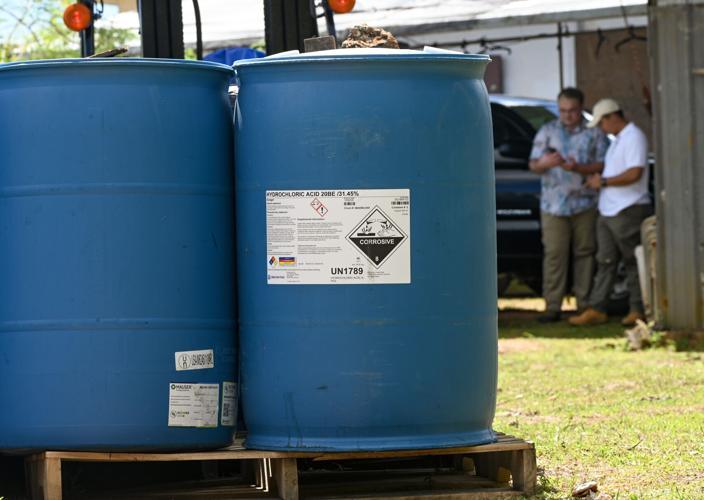
The biggest hydrochloric acid storage problem is not ignorance. Most teams know the acid is hazardous. The deeper problem is routine. EPA’s hydrochloric acid profile also identifies corrosive effects on eyes, skin, and mucous membranes.
A frequently ordered corrosive can become just another inventory item. Workers may accept minor package damage, ignore faint fumes, store containers in open space, or assume old procedures still match the current supplier and concentration.
That casual approach is where risk grows. Buyers should confirm concentration, grade, packaging, SDS accuracy, supplier change-control practices, and delivery condition. Warehouse teams should review segregation, ventilation, emergency equipment, secondary containment, and container inspections.
Hydrochloric acid storage matters because the acid remains useful only when it stays controlled. The right decision is not simply buying the material on time; it is receiving, storing, handling, and documenting it in a way that protects workers, equipment, and the process it is meant to support.
FAQ’s
What is hydrochloric acid used for?
Hydrochloric acid is used for pH adjustment, metal cleaning, scale removal, chemical processing, laboratory work, and industrial cleaning. The correct grade and concentration depend on the application.
Why does hydrochloric acid need ventilation?
Hydrochloric acid can release irritating fumes, especially during opening, transfer, dilution, or poor storage. Ventilation helps reduce worker exposure and supports safer handling conditions.
What should buyers check before accepting hydrochloric acid?
Buyers should check concentration, SDS accuracy, container condition, label clarity, packaging compatibility, CoA requirements, storage guidance, and whether the shipment matches the intended use.