

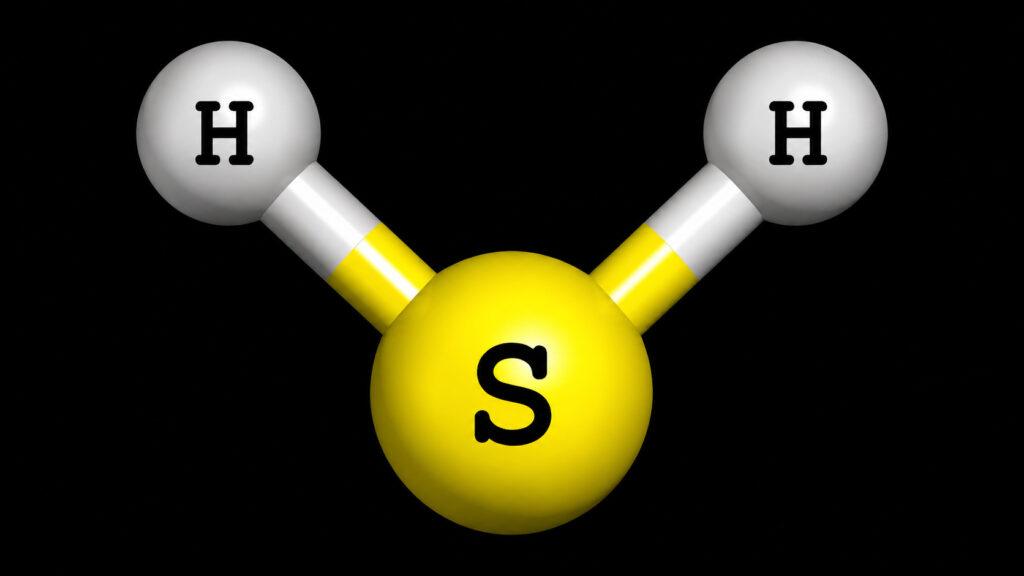
Hydrogen sulfide incidents rarely begin as emergency-response problems. They begin earlier, when a chemical is approved, a process changes, a storage assumption goes untested, or detection coverage is treated as permanent. Recent incidents make hydrogen sulfide release planning a procurement and storage responsibility, not a document reserved for the emergency binder.
That responsibility starts with product acceptance. Strong SDS accuracy checks should establish what the material can release, which conditions may generate hydrogen sulfide, and whether the site’s monitoring, ventilation, procedures, and response relationships match the supplier’s hazard information.
Recent Releases Expose the Gap Between Detection and Readiness
On July 22, 2026, Arkema reported a hydrogen sulfide release from a unit at its Houston facility. The release was contained within the site, no injuries were reported, and monitoring found no elevated hydrogen sulfide beyond the fence line. The controlled outcome still shows how quickly a gas-release scenario can move from process equipment to emergency coordination.
Eight days earlier, the Chemical Safety Board released a July 2026 investigation update on the fatal January release at Woodland Pulp in Baileyville, Maine. Two employees died and ten others were exposed. Investigators found no stationary hydrogen sulfide detectors or alarms in the affected area, no requirement for personal monitors, and no system for accounting for personnel locations during the shutdown.
The procurement lesson is direct: release readiness starts upstream. A facility cannot compensate during an alarm for hazard information it never validated or detection assumptions never tested against the actual building.
Hydrogen Sulfide Release Planning Starts at Procurement
A purchase request should do more than name a product, grade, concentration, and delivery quantity. It should identify whether hydrogen sulfide is supplied directly, present as an impurity, or capable of forming through contamination, decomposition, acidification, process upset, or contact with another material.
Procurement does not need to perform the process hazard analysis, but it should prevent the order from advancing until technical teams review the release potential. That review should include the current SDS, technical specifications, composition disclosures where available, transport information, packaging configuration, and supplier limitations relevant to storage or closed transfer.
The qualification process should also confirm that the document describes the product being purchased rather than a broad chemical family. Different concentrations, stabilizers, contaminants, or physical forms can alter exposure controls and emergency assumptions. Supplier documentation is operational data, not paperwork collected after the commercial decision.
The SDS Must Be Tested Against the Actual Site
An SDS can describe hazards without proving that a facility is prepared for them. The useful question is not whether the file contains Sections 2, 7, 8, and 10, but whether those sections have been translated into decisions for receiving, storage, process connections, maintenance boundaries, and emergency planning.
Hydrogen sulfide is colorless, toxic, and flammable, and odor cannot be treated as a reliable warning because the ability to smell it can disappear rapidly. OSHA’s hydrogen sulfide monitoring guidance calls for identifying processes that can release or produce the gas, selecting appropriate monitoring, evaluating ventilation, training workers, and establishing rescue procedures.
The SDS review should therefore generate site-specific questions. Can a release reach occupied areas? Does the material enter enclosed or low-lying spaces? Could shutdown, cleaning, maintenance, or waste handling change the release pathway? Are contractors exposed to hazards not obvious from their assigned task?
Detection Must Match the Credible Release Path
Installing a detector does not prove that a release will be detected early enough. Sensor location, range, alarm logic, maintenance, calibration, environmental interference, power continuity, and communication with occupied areas all affect whether the system performs as assumed.
The following review connects purchasing and storage decisions with the evidence needed before material is accepted or a process changes.
| Decision point | Question the site must answer | Evidence required |
|---|---|---|
| Product approval | Can the product contain or generate hydrogen sulfide? | Current SDS, specification, supplier clarification |
| Delivery and connection | Can packaging or transfer arrangements keep the system closed? | Approved equipment and connection review |
| Storage location | Could gas accumulate or migrate toward occupied areas? | Layout, ventilation, drainage, and occupancy review |
| Detection coverage | Will monitoring identify the credible release? | Documented detector basis and test records |
| Emergency coordination | Can alarms, accountability, evacuation, and outside communication work together? | Current plan, roles, contacts, and drill findings |
The table is not a substitute for engineering analysis. It prevents unresolved assumptions from remaining hidden between procurement, operations, EHS, maintenance, and emergency-response teams.
Closed Handling and Storage Controls Can Drift
Closed handling is often treated as a permanent equipment characteristic. In practice, hoses, seals, valves, vents, sampling points, temporary connections, maintenance openings, and waste routes can change the containment basis.
Storage records should identify more than the container and location. They should connect the material to ventilation status, detector coverage, inspection findings, incompatible chemicals, occupied spaces, and conditions that could create hydrogen sulfide. Closed handling is not permanent when temporary work or degraded equipment introduces a new release path.
Changes in supplier, formulation, package size, delivery method, storage duration, operating temperature, or nearby activity should trigger review. A process acceptable for drums may not remain acceptable for bulk delivery, and a detector layout designed around one source may not cover a relocated connection or enclosure.
Small Changes Should Reopen the Risk Review
Several signals deserve escalation before they become incident findings: repeated detector faults, overdue calibration, corrosion, damaged seals, unexplained odors, ventilation impairment, temporary storage, contractor work near process equipment, and procedures that no longer match field practice.
Procurement and warehouse teams often see these changes first. They notice substituted products, different packaging, larger deliveries, revised lead times, or inventory remaining on-site longer than planned. Those commercial details can change the release scenario even when the product name stays the same.
Effective hydrogen sulfide release planning keeps those signals connected. It treats supplier records, storage conditions, detection performance, closed-system integrity, personnel accountability, and emergency coordination as one operating control. The goal is not merely to respond after gas is detected; it is to prevent an ordinary purchasing or storage decision from creating a release the site is unprepared to recognize.
FAQ’s
What should procurement verify before approving a hydrogen sulfide-related chemical?
Procurement should obtain the correct SDS, product specifications, packaging details, supplier limitations, and information about conditions that may release or generate hydrogen sulfide. Technical and safety teams should resolve any gaps before purchase.
Can an SDS alone establish hydrogen sulfide release readiness?
No. The SDS identifies hazards and recommended controls, but the facility must determine how those requirements apply to its storage layout, process connections, ventilation, detection systems, workforce, contractors, and emergency arrangements.
When should hydrogen sulfide release planning be reviewed?
Review should follow supplier changes, formulation updates, larger deliveries, new packaging, relocated equipment, detector faults, ventilation impairments, maintenance modifications, procedure changes, incidents, near misses, or any condition that alters the credible release path.