

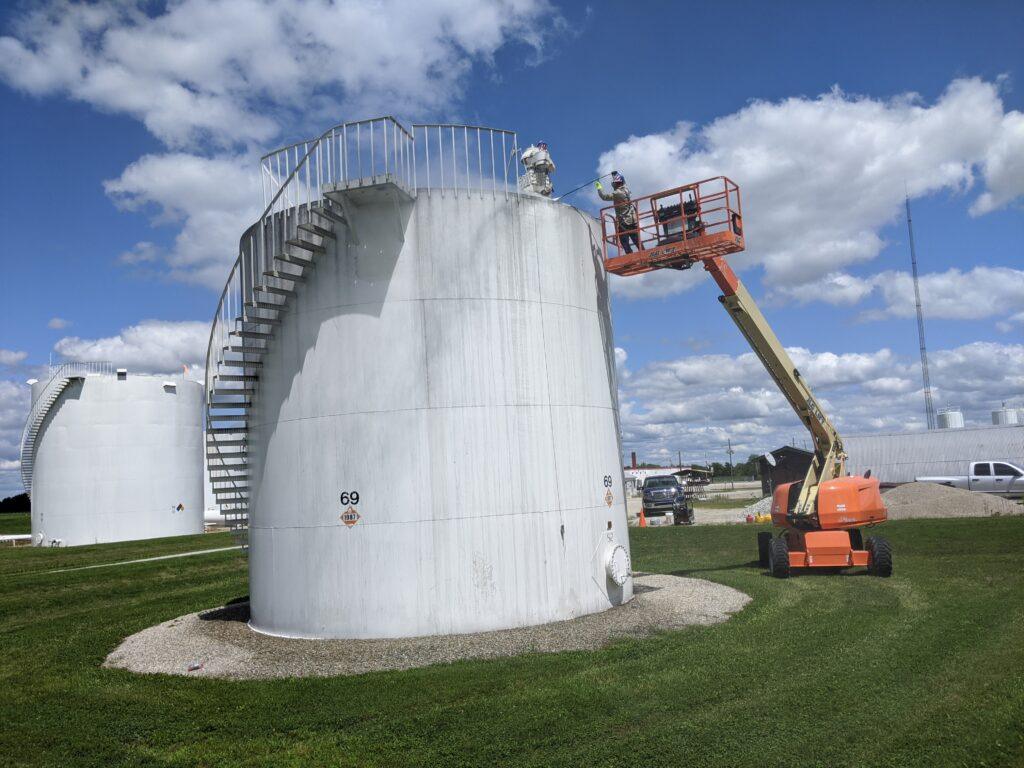
A chemical tank inspection can produce measurements, corrosion maps and repair recommendations. The harder part begins when those findings show that normal operation is no longer supported by the tank’s condition. A fatal May 2026 failure in Longview, Washington, has put that decision point under intense scrutiny.
For facilities reviewing chemical storage practices, the case is a reminder that an inspection report is not simply a maintenance record. Once a tank crosses an engineering limit, someone must decide whether to repair it, remove it from service, operate under validated restrictions, or conduct further inspection before normal service continues.
The Failure Put Earlier Inspection Findings Under New Scrutiny
A Warning That Was More Than Routine Maintenance
The condition of G Tank had moved beyond ordinary maintenance planning months before its failure. A July 2025 exterior inspection at Nippon Dynawave Packaging’s Longview pulp and paper mill found significant portions of the carbon-steel shell below the calculated minimum safe thickness. The contractor recommended an internal inspection and repairs and concluded that the tank was not fit for continued service unless corrective work was completed.
Those findings did not disappear in subsequent examinations. The CSB’s August investigation update says external inspections in October 2025 and February 2026 again identified substantial areas of shell thickness below the calculated minimum. That repeated pattern made the issue more than a single questionable reading or isolated maintenance concern.
Before the May 26, 2026 failure, the tank had not been internally inspected or repaired, taken out of service, or placed under reduced operating conditions. That sequence creates an important distinction for chemical facilities: identifying deterioration is only the first step. Inspection findings need an operating response when measurements challenge the basis for continued service.
When G Tank failed, approximately 900,000 gallons of extremely hot, highly caustic white liquor were released. Eleven employees died and three were seriously injured. The CSB investigation remains open, so a final root cause has not yet been established, but the documented timeline already underscores the importance of inspection-response discipline, escalation, and clear decisions when equipment falls below established engineering limits.
A Warning That Was More Than Routine Maintenance
The U.S. Chemical Safety and Hazard Investigation Board said a July 2025 exterior inspection of G Tank at Nippon Dynawave Packaging’s Longview pulp and paper mill found significant portions of its carbon-steel shell below calculated minimum safe thickness. The contractor recommended internal inspection and repairs and described the tank as not fit for continued service unless repaired.
The CSB’s August investigation update says external inspections in October 2025 and February 2026 again found substantial shell areas below the calculated minimum. Before the May 26 failure, the tank had not been internally inspected or repaired, removed from service, or operated under reduced conditions.
Approximately 900,000 gallons of extremely hot, highly caustic white liquor were released. Eleven employees died and three were seriously injured. The investigation remains open, so the evidence supports a strong lesson about inspection-response discipline without establishing a final root cause.
A Chemical Tank Inspection Should Trigger a Decision
A thickness reading below a calculated minimum is different from a general observation that corrosion exists. It identifies a condition requiring an explicit engineering and operating response.
The exact response depends on design, service, damage mechanism, applicable standards and qualified engineering evaluation. What should not happen is for the finding to disappear into an ordinary maintenance backlog.
| Inspection finding | Immediate question | Possible response |
|---|---|---|
| Thickness below an acceptable limit | Is normal service still justified? | Repair, remove from service, or establish a documented basis for restricted operation |
| Internal condition remains uncertain | Is more examination needed? | Conduct internal inspection or another qualified assessment |
| Continued operation is proposed | What makes it defensible? | Define restrictions, monitoring and an end date |
| Repeat inspections confirm deterioration | Has the risk decision changed? | Reassess and escalate the disposition |
The table is not a substitute for the applicable code or competent engineer. Its value is organizational: every adverse finding should lead to a named decision, an owner and a documented basis.
Minimum Safe Thickness Is a Boundary, Not a Trend Line
Corrosion programs often focus on rates, remaining life and the next inspection date. Those calculations are useful while equipment remains within the limits supporting continued service.
Once a measurement falls outside an acceptable limit, “we are monitoring it” is not the same as demonstrating suitability for current operation. A crossed limit changes the question from forecasting deterioration to deciding what conditions, if any, can safely continue.
Facilities should therefore distinguish findings that support routine monitoring from deficiencies requiring repair, restricted operation, further examination or removal from service.
Escalation Must Reach Someone Who Can Change Operating Status
A technically sound inspection has limited protective value if a serious finding remains with personnel who cannot change the tank’s operating status. Critical results need a defined escalation route to the people responsible for engineering, operations, maintenance and safety decisions.
The record should show who reviewed the finding, what disposition was chosen, the technical basis, any interim controls and the completion deadline. Decision ownership must be visible, particularly when production pressures compete with maintenance work.
For processes covered by OSHA’s Process Safety Management standard, the mechanical integrity requirements require inspection and testing, documentation, and correction of equipment deficiencies outside acceptable limits before further use or in a safe and timely manner when necessary measures assure safe operation. Facilities still need to determine which regulatory and consensus-standard requirements apply to their specific tank and process.
Temporary Operation Needs a Technical Basis and an End Point
Immediate permanent repair is not always the only technically available path. Depending on the applicable standard and qualified evaluation, restricted operating conditions may sometimes support a temporary period before repair or shutdown.
That cannot become an undefined extension of normal service. A temporary operating basis should identify the restriction, technical justification, monitoring needs, approval authority and the point when the arrangement ends. Process variables such as fill level, temperature, pressure or corrosion progression may matter depending on the equipment.
Temporary means temporary. If the restriction, approval basis and closure date cannot be stated clearly, the operating decision remains incomplete.
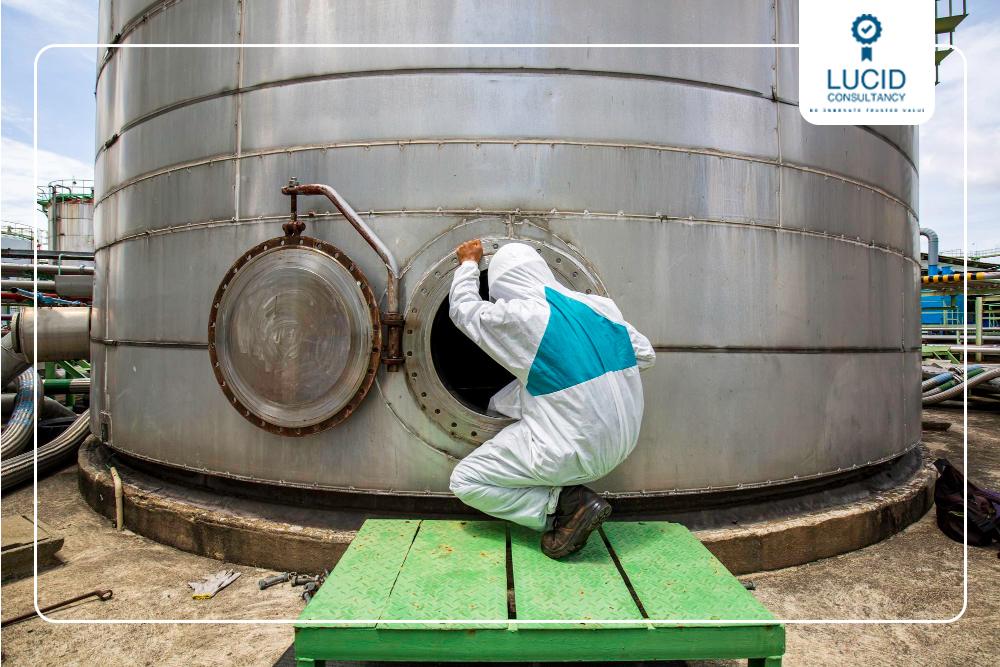
The Next Risk Is a Deferred Decision Hiding in the Inspection File
Facilities do not need to wait for wording identical to “not fit for continued service.” Open inspection recommendations can be screened now for findings involving minimum thickness, unacceptable conditions, urgent repair, required internal inspection, reduced service or continued-operation concerns.
Repeated inspections of the same deficiency deserve special attention. New measurements should answer a technical question or verify an interim strategy, not merely create another report while the equipment’s disposition remains unresolved.
A useful management test is traceability. For every significant deficiency, the facility should be able to identify the engineering disposition, responsible owner, operating restrictions if any, due date and evidence that the issue was actually closed.
A Tank Finding Needs an Operating Decision
The Longview failure has made chemical tank inspection more than a maintenance topic. The CSB has documented serious wall-thickness findings months before a catastrophic release while continuing to investigate why the tank remained in service and what ultimately caused and contributed to the failure.
For other facilities, the lesson is actionable now. A chemical tank inspection should not end when the report is filed. When a finding challenges continued service, the next step must be a defensible operating decision backed by appropriate authority, engineering judgment and documented follow-through.
Frequently asked questions
What does “not fit for continued service” mean for a chemical tank?
It means the inspection does not support continued operation under the evaluated conditions without corrective action. The appropriate response depends on tank design, applicable standards, engineering evaluation, and the specific deficiency identified.
Does tank wall thinning always require immediate replacement?
No. Depending on the condition and applicable engineering requirements, options may include repair, removal from service, additional examination, or technically justified restricted operation. The response should be documented and supported by qualified evaluation.
Why might another external inspection not be enough?
Another inspection can provide useful condition data, but repeating measurements does not itself resolve an unacceptable deficiency. Facilities still need a documented decision addressing repair, operating restrictions, further examination, or removal from service.
What should facilities document after a serious tank inspection finding?
Records should identify the deficiency, engineering disposition, responsible decision-maker, interim operating restrictions, monitoring requirements, repair or shutdown deadline, and evidence showing when the corrective action was completed and formally closed.
Who should review a tank inspection that identifies unacceptable conditions?
Serious findings should reach personnel with authority over engineering, operations, maintenance, and safety decisions. Cross-functional review helps ensure that technical concerns are translated into an enforceable operating decision rather than remaining in a maintenance backlog.