

Aluminum sulfate uses often begin with one practical outcome: helping cloudy water become clearer. But behind that familiar role is a chemical decision where pH, dosage, alkalinity, impurities, and documentation can decide whether the treatment works cleanly or creates new process problems.
For industrial buyers, aluminum sulfate is not just “alum” on a purchase order. It can support drinking-water treatment, municipal wastewater, industrial clarification, paper manufacturing, and pH-related process control, but each use depends on selecting the right grade and managing the chemistry correctly.
Aluminum Sulfate Uses Begin With Coagulation
Aluminum sulfate is widely used as a coagulant in water and wastewater treatment. The U.S. EPA’s aluminum sulfate profile identifies its use in primary coagulation for drinking water treatment, municipal wastewater treatment, and industrial wastewater treatment.
Coagulation works by helping destabilize suspended particles so they can form larger flocs and be removed more effectively. That makes aluminum sulfate useful in clarification, turbidity control, and certain treatment systems where fine particles or organic matter need to be managed.
Yet the chemistry is not automatic. Water composition, alkalinity, pH, temperature, mixing, dosage, and contact time all affect performance. A plant cannot treat aluminum sulfate like a universal powder or solution that works the same way in every system.
The buyer should understand the target water, not only the product. Coagulation is chemistry in context.
pH Can Decide Whether Alum Works
Aluminum sulfate performance is strongly tied to pH. If pH is outside the right range for a given water source, floc formation may weaken, treatment efficiency may decline, or residual aluminum concerns may increase.
The Australian Drinking Water Guidelines’ page on aluminium sulfate guide describes optimum pH ranges for alum coagulation, with treatment goals influencing where in that range operation may occur.
For buyers and operators, that means alum selection should be connected to plant chemistry. The product may be correct, but the process may still fail if the system lacks pH control, alkalinity adjustment, correct feed calibration, or jar testing.
A supplier quote cannot answer all of those questions. Treatment teams should confirm the material’s concentration, form, basicity where applicable, impurity profile, and compatibility with existing dosing equipment.
Wastewater Applications Require More Than Turbidity Reduction
In wastewater treatment, aluminum sulfate may be used to help remove suspended solids, phosphorus, color, and other contaminants depending on system design. The chemical’s role depends on the wastewater stream, target limits, sludge-handling plan, and downstream process.
Industrial wastewater can be especially variable. A food plant, textile facility, metal-finishing operation, or chemical site may produce very different treatment demands. Aluminum sulfate may work well in one system and poorly in another without pH adjustment or coagulant aid.
Buyers should avoid assuming that a drinking-water grade, wastewater grade, or industrial grade is automatically interchangeable. The intended use, impurity limits, certification needs, and plant requirements should guide selection.
Where treated water quality affects permits, equipment, or reuse decisions, the purchase file should include SDS, CoA, specification, concentration, packaging, and supplier change-control expectations.
Paper Manufacturing Adds A Different Performance Lens
Paper applications shift the buyer’s review from water clarity to fiber chemistry, sizing behavior, pH control, and product performance. The wrong alum quality or dose may affect paper strength, absorbency, retention, deposits, or machine operation.
This is why aluminum sulfate should be reviewed as a process input, not only a treatment chemical. Paper mills and industrial users may care about iron, insolubles, acidity, concentration, clarity, and batch consistency.
Kilburn’s guide to chemical specifications is relevant because the specification helps buyers decide whether the product fits the manufacturing system.
| Application | Main Role | Buyer Or Operator Check |
|---|---|---|
| Drinking water | Coagulation and clarification | Grade, pH range, impurity limits |
| Wastewater | Suspended-solids and phosphorus control support | Dosage, alkalinity, sludge impact |
| Industrial treatment | Clarification for process-specific streams | Jar testing and stream variability |
| Paper manufacturing | Sizing and process chemistry support | Acidity, impurities, concentration |
| pH control | Acidic adjustment in selected systems | Process limits and compatibility |
| Chemical processing | Process aid or reactant in some uses | CoA, SDS, and specification fit |
Storage And Dosing Create Practical Risk
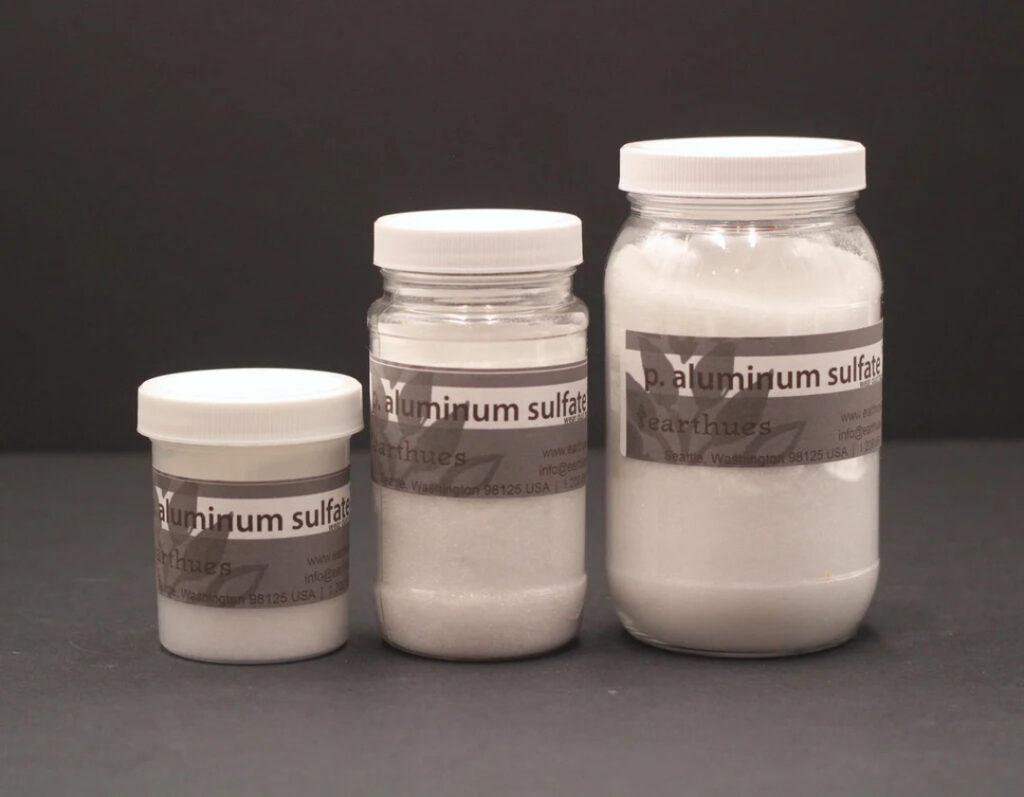
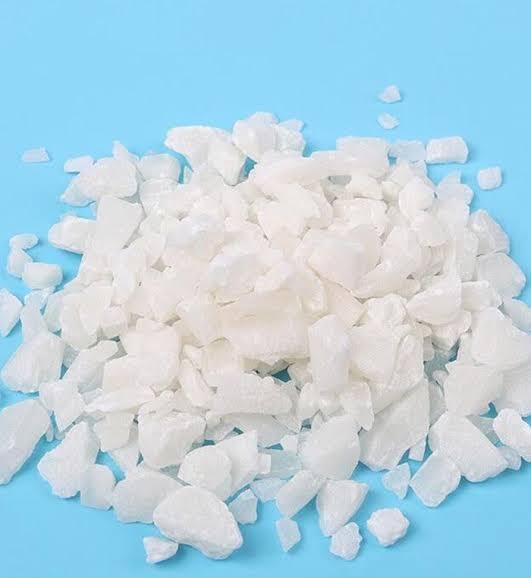
Aluminum sulfate may be supplied as a solid or liquid solution. Each form changes handling and storage needs.
Liquid alum requires tank compatibility, transfer controls, secondary containment, pump maintenance, and concentration verification. Solid alum requires moisture protection, dust control, packaging inspection, and clear labeling. Both forms need SDS review and correct segregation from incompatible materials.
Dosing systems deserve attention. A clogged feed line, incorrect concentration entry, poor calibration, or unverified delivery can affect treatment performance quickly. Receiving teams should confirm that the delivered concentration matches the purchase order and feed assumptions.
A material that is chemically useful can still create problems if the storage tank, pump, line, or control system is not ready for it.
The Pressure Point Is Treating Alum As Routine
The risk with aluminum sulfate is routine use without routine verification. Aluminum sulfate also has a history in paper manufacturing, especially in sizing and process chemistry. PubChem’s aluminum sulfate record lists uses including paper making, sewage treatment, and water purification.
A plant may reorder the same chemical for years, but water quality changes, suppliers change, equipment ages, and treatment targets shift. If procurement, operations, and QA do not compare delivered material against process needs, alum can become an invisible weak point.
Buyers should monitor concentration, supplier source, CoA results, impurity profile, pH impact, feed-system compatibility, and packaging condition. Treatment teams should continue checking jar-test results, floc quality, sludge behavior, and residual performance.
Aluminum sulfate uses will remain important in water treatment, wastewater clarification, and paper manufacturing because the chemical can solve real process problems. The better buying decision is to treat it as controlled treatment chemistry, not a generic alum order. The clearest water often begins with the least casual procurement file.
FAQ’s
What is aluminum sulfate used for?
Aluminum sulfate is used in water treatment, wastewater clarification, paper manufacturing, pH control, and some industrial processes. Its most recognized role is as a coagulant.
Why does pH matter when using aluminum sulfate?
pH affects how aluminum sulfate forms flocs and removes particles. Poor pH control can reduce coagulation performance, alter sludge behavior, or create treatment inefficiency.
What should buyers check before purchasing aluminum sulfate?
Buyers should check form, concentration, grade, SDS accuracy, CoA requirements, impurity limits, storage compatibility, dosing equipment fit, and supplier change-control practices.