

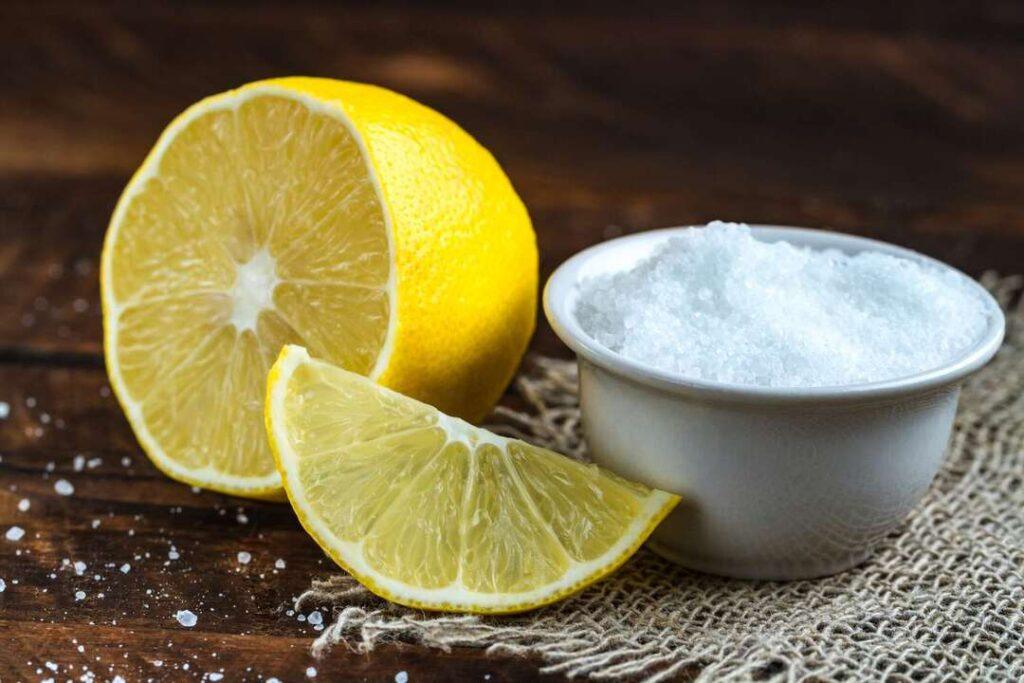
Citric acid uses reach far beyond the familiar citrus association. In food, cleaning, cosmetics, water treatment support, and industrial formulations, citric acid can adjust pH, bind metals, support preservation strategies, and improve cleaning performance but only when grade and documentation fit the application.
For buyers, the risk is assuming that a common organic acid is automatically low-concern. Citric acid may be milder than strong mineral acids, but concentration, purity, particle form, food-grade status, contamination control, and compatibility still shape whether it belongs in a specific process.
Citric Acid Uses Begin With pH Control
Citric acid is an organic acid widely used where controlled acidity is needed. It can help adjust pH in foods, beverages, cosmetics, detergents, cleaning products, and specialty formulations.
The FDA’s listing for citric acid identifies it as generally recognized as safe when used in food in accordance with good manufacturing practice. That makes food-grade documentation essential when the material is intended for food applications.
In non-food applications, the same chemical may be used for pH adjustment, buffering support, or formulation stability. The buyer’s job is to confirm the grade matches the market. Food, cosmetic, industrial, technical, and reagent uses do not all carry the same documentation expectations.
The chemical name may be familiar, but grade is the real decision.
Cleaning Performance Comes From Acid And Chelation
Citric acid is often used in cleaning because it can help remove mineral deposits, scale, rust staining, and hard-water residues. Its acidic behavior helps dissolve certain deposits, while its chelating ability can bind metal ions that interfere with cleaning performance.
That combination makes it useful in descaling products, household cleaners, institutional cleaning, equipment cleaning, and certain industrial formulations. It may be selected when a buyer wants an acid that is less aggressive than stronger mineral acids, though suitability depends on the surface and soil.
The mistake is assuming “less aggressive” means universally safe. Citric acid can still affect metals, stone, coatings, seals, and sensitive materials. Concentration, contact time, temperature, and formulation additives all matter.
A cleaning product buyer should review the target deposit, surface compatibility, rinsing expectations, residue tolerance, and whether the material is supplied as anhydrous powder, monohydrate, solution, or part of a formulated cleaner.
Food And Beverage Applications Need Clear Documentation
Food use changes the procurement file.
A buyer should verify food-grade status, CoA results, allergen or origin declarations where relevant, packaging suitability, traceability, and supplier change-control practices. The SDS alone is not enough for food applications because safety handling data does not prove food-grade suitability.
Citric acid may support acidity control, flavor balance, preservation systems, and formulation stability in food and beverage products. However, exact use levels and claims depend on formulation, regulatory requirements, and finished-product labeling.
Kilburn’s guide to chemical documentation files is relevant because food and formulation buyers often need more than one document to support approval.
If a supplier changes source, grade, particle form, packaging, or manufacturing site, the buyer should review the impact before accepting the material into routine production.
| Use Area | Why Citric Acid Is Used | Buyer’s Main Check |
|---|---|---|
| Food and beverages | Acidity control, flavor, preservation support | Food-grade documentation and traceability |
| Cleaning products | Descaling and mineral deposit removal | Concentration and surface compatibility |
| Cosmetics | pH adjustment and chelation support | Cosmetic-grade fit and impurity profile |
| Industrial formulations | pH control and stability support | Grade, particle form, solubility |
| Water-related cleaning | Metal ion binding and scale control | Chelation need and rinse behavior |
| Laboratory use | Reagent or buffer-related applications | Reagent grade and test suitability |
Cosmetics And Personal Care Add Another Layer
Citric acid and citrate ingredients are used in cosmetics and personal-care products, often for pH adjustment, chelation, and formulation support. The Cosmetic Ingredient Review’s safety assessment discusses citric acid and citrate ingredients in cosmetic contexts through its citric acid assessment.
For buyers, that means cosmetic use should not be approved using only an industrial product listing. The material may need documentation supporting cosmetic application, impurity limits, microbial expectations, packaging cleanliness, and traceability.
Particle form can also matter. A powder used in a dry blend may require flow and dust-control review. A solution may require preservative, concentration, and storage stability review. A formulation team may care about how quickly it dissolves, how it affects pH drift, or how it interacts with other ingredients.
Cosmetic buyers need proof of suitability, not just a familiar acid name.
Storage And Handling Still Affect Quality
Citric acid is generally easier to store than many highly corrosive industrial chemicals, but quality can still suffer from poor handling.
Powdered citric acid should be protected from moisture, contamination, damaged bags, and mislabeled partial containers. Moisture can lead to clumping, flow problems, or dosing inconsistency. Solutions may require concentration control, microbial review, and compatible containers.
Warehouse teams should keep containers closed, clean, and clearly identified. If citric acid is used in food, cosmetics, or customer-sensitive formulations, the storage area should prevent cross-contamination and preserve traceability.
The SDS should still guide PPE, dust control, spill cleanup, and safe handling. Mild reputation should not replace documented procedure.
The Pressure Point Is Assuming Familiar Means Simple
Citric acid often feels familiar, and that familiarity can weaken buyer discipline.
A food buyer may need documentation that an industrial buyer does not. A cleaning product team may need surface compatibility data. A cosmetics formulator may need a grade aligned with personal-care requirements. A lab may need reagent-grade material. A bulk industrial user may need flow, moisture, and packaging consistency more than high-purity claims.
The next risk to monitor is substitution. Changing from anhydrous to monohydrate, powder to solution, food-grade to technical grade, or one supplier source to another can affect dosing, documentation, solubility, traceability, or customer approval.
Citric acid uses are broad because the chemical is versatile, practical, and widely accepted across industries. The strongest buying decision treats that versatility with precision: define the application, match the grade, confirm the documents, and protect the material from contamination before it enters the process.
FAQ’s
What is citric acid used for?
Citric acid is used for pH control, food and beverage formulation, cleaning, descaling, cosmetics, chelation, preservation support, laboratory work, and industrial formulations.
Why is citric acid useful in cleaning?
Citric acid helps dissolve mineral deposits and can bind certain metal ions. That makes it useful in descaling and hard-water cleaning, depending on concentration and surface compatibility.
What should buyers check before purchasing citric acid?
Buyers should check grade, food or cosmetic suitability if needed, CoA, SDS, particle form, moisture, packaging, traceability, storage guidance, and whether the material fits the intended application.