

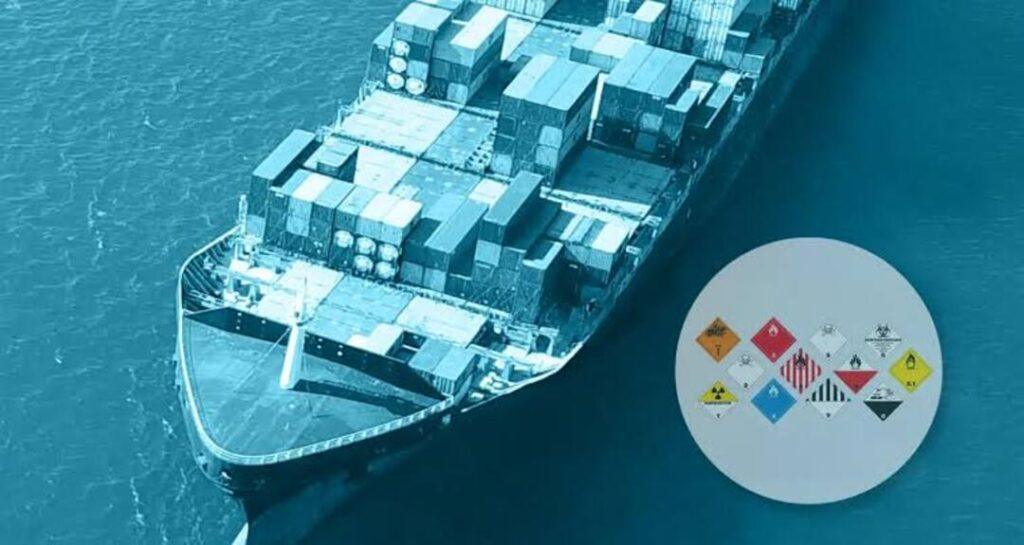
IMDG Code 42-24 is now mandatory, which means familiar dangerous-goods routines deserve a fresh document review. A shipment can carry the same UN number as last year and still have a weak record if classification, packing instructions, marks, labels, segregation, declaration details, or training were not checked against the current edition.
The International Maritime Organization identifies the 2024 IMDG Code edition, including Amendment 42-24, as mandatory from January 1, 2026, and the 2024 supplement renders the previous 2022 edition obsolete. Buyers already reviewing shipping papers should now focus on whether each recurring sea shipment still reflects the current code, not only whether a historical shipping template exists. The code’s role in packaged dangerous goods transport and the current edition are described in the IMO’s dangerous-goods transport rules and current IMDG edition.
Recurring Shipments Create Document Complacency
Repeat chemical shipments are efficient because teams reuse product codes, carrier instructions, labels, and dangerous-goods declarations. That efficiency becomes risky when the template is treated as permanent.
A familiar UN number does not prove that every related instruction stayed unchanged. The dangerous-goods description, packing provision, special provision, segregation requirement, marine pollutant communication, or emergency documentation expectation may require review under the current edition.
The operational risk is not only regulatory. Incorrect or outdated documentation can delay bookings, trigger carrier holds, create port questions, or cause cargo to be rejected before loading.
For buyers and logistics teams, the practical control is a scheduled template review. Every recurring dangerous-goods lane should be checked when a new IMDG amendment becomes mandatory or when a supplier changes SDS Section 14.
IMDG Code 42-24 Requires More Than a Label Check
Many facilities begin transport review by looking at marks and labels. That is necessary, but it is incomplete.
The IMDG Code covers packaged dangerous goods by sea and addresses classification, packing, marking, labelling, documentation, stowage, and segregation. A label may look correct while the dangerous-goods declaration contains outdated wording or the package instruction has not been reviewed.
Buyers should also distinguish between an SDS transport section and a complete shipping decision. SDS Section 14 may provide transport information, but the shipping record must still reflect the actual product, package, quantity, mode, route, and applicable edition.
That is why a code change should trigger a transport document review, not only a label audit.
Where Chemical Shipping Records Still Fail
The most common failures occur where information moves between departments or outside service providers. Procurement receives the SDS. Logistics creates the shipment. A freight forwarder prepares documentation. A warehouse applies labels. EHS answers classification questions.
If the workflow is not controlled, each party may rely on a different version of the product record.
The following table highlights where the current-edition review should happen.
| Shipping record element | What to verify under the current edition | Risk if outdated |
| UN number and proper shipping name | Current description and applicable special provisions | Booking or declaration mismatch |
| Hazard class and subsidiary risks | Correct classification for the product and package | Wrong label or segregation decision |
| Packing instruction | Package type, quantity limits, closure requirements | Shipment may not be acceptable for sea transport |
| Marks and labels | Required marks, labels, marine pollutant marking | Container may be rejected or delayed |
| Segregation review | Compatibility with other dangerous goods | Unsafe stowage or consolidation decision |
| Dangerous-goods declaration | Complete and current transport details | Carrier hold or regulatory challenge |
| Training record | Personnel trained for assigned DG functions | Process depends on unqualified handling |
The table is not a replacement for qualified dangerous-goods review. It identifies where buyers should ask for documented confirmation instead of relying on a legacy shipment habit.
SDS Section 14 Should Not Be Treated as the Final Answer
SDS Section 14 can support transport review, but it has limits. It may provide a transport classification, UN number, packing group, environmental hazard information, or modal references. It may not reflect the actual packaging configuration, quantity, consolidation plan, or carrier-specific documentation process.
A buyer should confirm that the SDS is current and that Section 14 references transport information consistent with the intended shipment. If the product is shipped by sea, the review should confirm that IMDG information is adequate for the route and package.
When a supplier revises the SDS, transport data should be compared against existing shipping templates. If the template remains unchanged, the file should show why no update was required.
This is a version-control issue as much as a logistics issue. A dangerous-goods declaration based on an old SDS may look professional while still pointing to obsolete information.
Training and Outsourcing Do Not Remove Buyer Responsibility
Many buyers rely on carriers, forwarders, third-party warehouses, and compliance consultants for dangerous-goods shipping support. That can be appropriate, but outsourcing does not remove the need for accurate product information and controlled internal records.
A freight forwarder cannot correct an incomplete chemical identity record. A carrier cannot know whether a supplier changed classification unless the shipper provides current information. A warehouse cannot apply the right mark if the internal shipment instruction is outdated.
The buyer’s role is to maintain the product document chain. That includes current SDSs, approved transport classifications, packaging specifications, supplier change notices, and shipping templates tied to the correct product.
IMDG Code 42-24 Should Reset the Shipping Template
IMDG Code 42-24 creates a useful reason to reset recurring chemical-shipment templates. Buyers should identify all materials shipped by sea, confirm whether dangerous-goods records were reviewed against the current edition, and document any decision to revise or retain the existing shipping setup.
The next pressure point will appear in ordinary work: a carrier question, a booking rejection, a port delay, or an SDS update that no one routes to logistics. Those signals show whether the organization has a controlled shipping record or a recycled template.
A strong process does not assume that last year’s file remains valid. It confirms the current edition, the current SDS, the current package, and the current declaration before the shipment moves.
FAQ’s
Does IMDG Code 42-24 apply to every chemical shipment?
No. It applies to packaged dangerous goods transported by sea when the material is regulated under the applicable dangerous-goods framework. Non-regulated shipments still need accurate product and transport documentation.
Is the UN number enough to prepare a sea shipment?
No. The UN number is only one part of the transport record. Proper shipping name, hazard class, packing group, special provisions, packaging, marks, labels, segregation, and declaration details may also matter.
Can a freight forwarder handle all, special provisions, packaging, marks, labels, segregation, and declaration details may also matter.
Can a IMDG compliance?
A qualified forwarder can support documentation and transport execution, but the shipper still needs accurate product information, current SDS data, correct packaging details, and internal controls for document changes.