

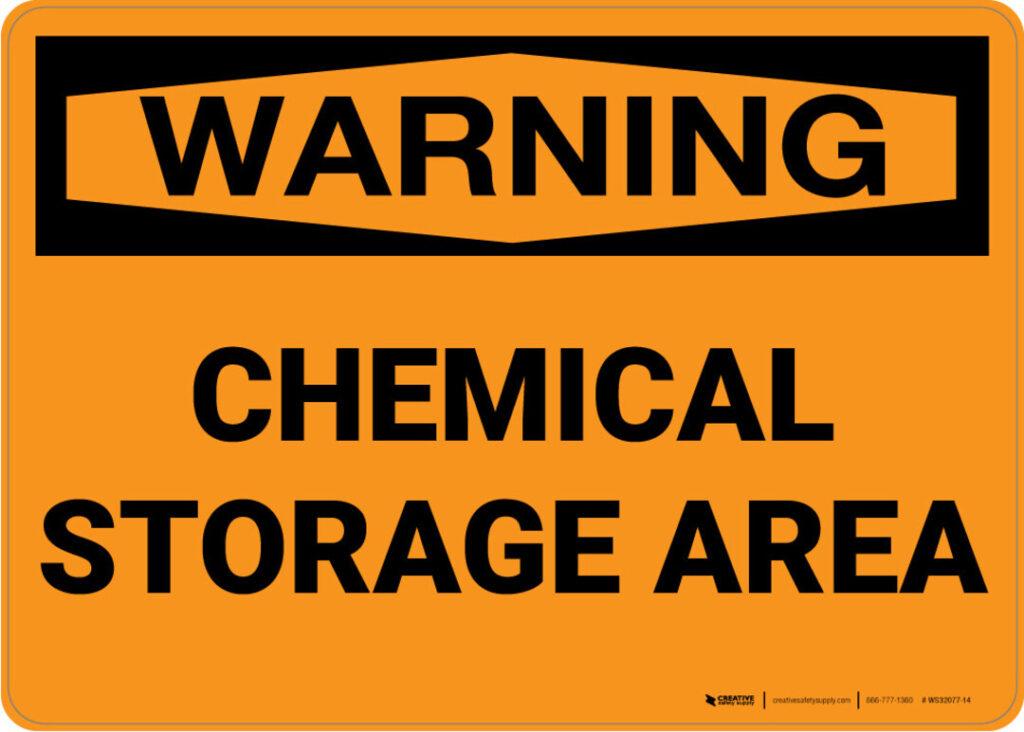
Industrial chemical storage safety is under pressure as reported U.S. chemical accidents rise. The trend is not an abstract regulatory concern; it is a warning that storage systems, aging equipment, maintenance decisions, and emergency plans are being tested under real operating pressure.
Industrial facilities cannot control every policy change or external hazard, but they can control how chemicals are received, identified, segregated, contained, inspected, and moved. A practical chemical compatibility matrix turns those decisions into repeatable rules instead of leaving them to warehouse memory.
The Accident Trend Deserves a Facility-Level Response
An analysis of reports filed with the U.S. Chemical Safety and Hazard Investigation Board found that industrial accidents involving chemical releases increased from 83 in 2021 to 131 in 2025. Incidents involving injuries or fatalities rose from 60 to 89 during the same period. The underlying chemical incident data may still understate the full picture because initial reporting does not always capture later consequences.
Those figures do not prove that storage failures caused every incident. Refineries, mills, food plants, chemical manufacturers, and other facilities face different process hazards. They do show that routine controls are under strain, and storage areas often reveal that strain early.
A rising incident count should prompt management to ask whether inspection frequency, maintenance backlogs, contractor oversight, inventory accuracy, and emergency planning have kept pace with throughput and equipment age.
Storage Failures Usually Begin Before the Release
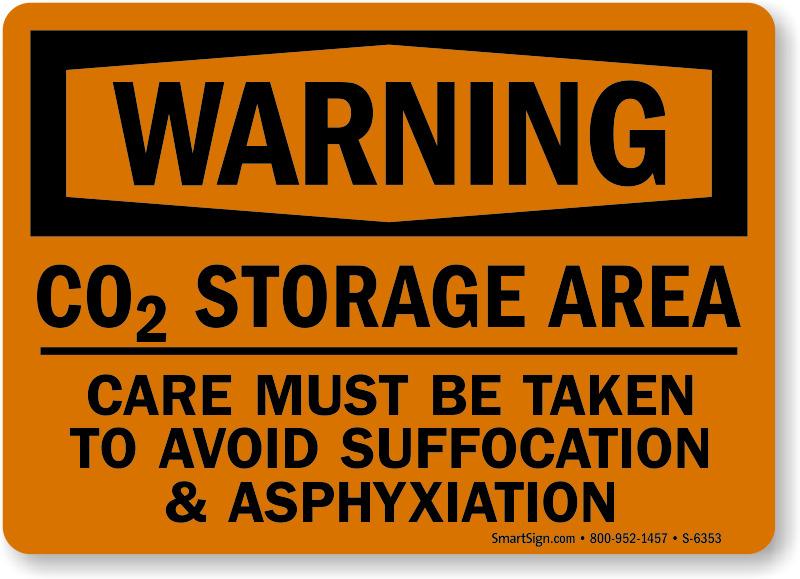
A major event may begin with a small administrative weakness: an obsolete SDS, an unreadable drum label, an unrecorded transfer, a blocked aisle, or an incompatible material placed in the wrong zone. These defects are easy to normalize because they may exist for months without causing an incident.
The absence of a release is not evidence that the system is safe. It may mean that incompatible chemicals have not yet contacted each other, a corroded fitting has not yet failed, or a secondary containment area has not yet been challenged by a full-volume spill.
Strong industrial chemical storage safety therefore depends on leading indicators. Facilities should measure overdue inspections, unidentified containers, unresolved leaks, temporary storage duration, containment defects, and inventory discrepancies—not only recordable accidents.
| Pressure point | Early warning signal | Immediate control | Management question |
| Chemical identity | Missing, damaged, or inconsistent label | Quarantine and verify contents | Why did the receiving check fail? |
| Compatibility | Mixed hazard classes in one zone | Segregate using a reviewed matrix | Is layout based on chemistry or convenience? |
| Container integrity | Corrosion, bulging, staining, crystallization | Isolate and assess the package | Are inspection intervals adequate? |
| Secondary containment | Cracks, blocked drains, stored equipment | Restore usable capacity | Can it hold the credible spill volume? |
| Inventory control | Physical stock differs from the system | Reconcile and investigate | Are transfers recorded at the point of work? |
| Emergency access | Obstructed exits, showers, or firefighting routes | Clear and protect access | Would responders reach the area safely? |
The value of the table is not the checklist itself. It is the escalation path. Each visible defect should lead to a cause, an owner, and a closure date.
Aging Tanks and Containers Need Risk-Based Inspection
Storage equipment does not fail only because it is old. It fails when degradation mechanisms are not understood, inspection methods cannot detect them, or repairs are deferred without a defensible risk decision.
Corrosive service, water intrusion, ultraviolet exposure, temperature cycling, incompatible gaskets, vibration, overpressure, and external impact can shorten equipment life. A tank that looks acceptable from a walkway may have internal corrosion, thinning near the floor, compromised supports, or a damaged vent.
Inspection plans should reflect chemical service, construction material, age, previous findings, and consequence of failure. Calendar inspection alone is insufficient when one vessel contains a material capable of toxic release, fire, or widespread evacuation.
The same principle applies to intermediate bulk containers, drums, totes, piping, hoses, and transfer pumps. Temporary equipment should not receive permanent-service assumptions.
Warehouse Layout Must Match Emergency Reality
A storage plan often looks orderly during normal operations but fails during a spill or fire. Responders may encounter smoke, loss of power, damaged labels, blocked access, water-reactive materials, and incomplete information about quantities.
The federal warehouse safety alert emphasizes safe chemical management, regulatory compliance, security, and emergency preparation. Facilities should use current inventories to pre-plan isolation zones, drainage control, firewater management, evacuation routes, responder access, and communication with local agencies.
Emergency information must be specific enough to support decisions under pressure. “Avoid contact” is not a plan. Responders need credible quantities, incompatibilities, decomposition products, extinguishing limitations, spill pathways, and the location of shutoffs.
Regular drills should include a failed assumption, such as an inaccessible valve or unavailable employee. Plans must survive disruption, not only a conference-room review.
Signals That Storage Risk Is Increasing
Several conditions should trigger a higher level of review: rising throughput without added storage capacity, increased use of temporary containers, deferred tank work, repeated minor leaks, frequent label corrections, high contractor turnover, and growing volumes of aged or off-specification material.
Extreme heat, flooding, storms, and power interruptions can also change credible scenarios. A warehouse that was adequate under historical conditions may no longer have enough temperature control, drainage protection, backup power, or emergency capacity.
Management should watch for repeat findings. A blocked containment drain corrected three times is not three isolated housekeeping problems. It is evidence that ownership, design, or operating incentives are wrong.
Near misses deserve the same discipline. A forklift strike that does not puncture a container is still information about traffic separation, rack protection, speed, visibility, and training.
Industrial Chemical Storage Safety Is a Management Test
Industrial chemical storage safety becomes visible in the warehouse, but it is created by procurement, engineering, maintenance, operations, and leadership. Rising accident reports make it harder to defend systems that depend on informal knowledge, overdue repairs, or luck.
Facilities that convert warning signs into inspections, segregation, containment, maintenance, and emergency actions can reduce the part of the risk they actually control. The decisive question is not whether an accident has happened yet. It is whether the storage system would remain safe when the next abnormal condition arrives.