

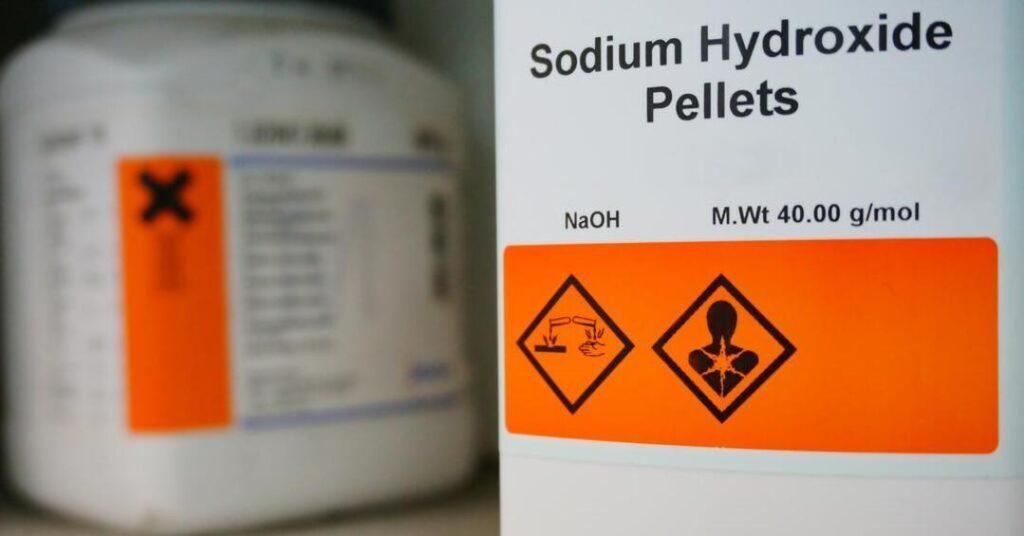
Sodium hydroxide uses are broad because the chemical is powerful, practical, and highly reactive in the wrong situation. Better known as caustic soda or lye, it supports cleaning, pH control, manufacturing, and water treatment, but it can also cause severe handling injuries when treated like an ordinary industrial input.
For buyers, warehouse teams, and plant operators, the key issue is not simply what sodium hydroxide does. It is whether the right concentration, grade, packaging, storage control, and safety documentation are in place before the chemical reaches workers or production equipment.
Sodium Hydroxide Uses Start With Cleaning And pH Control
Sodium hydroxide is valued because it is strongly alkaline. That makes it useful in processes where a site needs to neutralize acids, adjust pH, dissolve certain organic residues, or clean heavy soils from equipment and surfaces.
In industrial cleaning, caustic soda can help remove grease, oils, fats, and protein-based residues. It is also used in drain and line-cleaning products, although industrial use requires stricter concentration control, ventilation, PPE, and compatibility review than household familiarity might suggest.
In pH adjustment, sodium hydroxide is used to raise alkalinity in process water, wastewater treatment, chemical manufacturing, and other controlled systems. The same property that makes it effective also makes it risky. A dosing error can overshoot the target pH, create heat during dilution, or damage equipment and materials that are not compatible with strong caustics.
That is why sodium hydroxide should be purchased as a controlled chemical, not just a routine cleaning agent. Useful does not mean low-risk.
Caustic Soda Fits Many Manufacturing Processes
Sodium hydroxide appears across industrial supply chains because alkalinity is useful in many production steps.
It can support pulp and paper processing, soap and detergent manufacturing, textiles, chemical synthesis, petroleum refining, metal treatment, and water-treatment operations. In some settings, it functions as a reactant. In others, it is a cleaner, neutralizer, stripping agent, or process-control chemical.
The buying decision should begin with the exact use. Solid sodium hydroxide flakes, pellets, beads, or solutions may behave differently in storage and handling. Concentration affects dosing, heat generation, corrosivity, packaging needs, and worker exposure risk.
A buyer choosing sodium hydroxide for equipment cleaning has a different risk profile from a buyer using it in continuous pH control or chemical manufacturing. The product name may be the same, but the specification, packaging, and handling controls may not be.
Kilburn’s guidance on corrosive storage controls is relevant because sodium hydroxide belongs in the wider discussion of corrosives, segregation, ventilation, and storage discipline.
Handling Risk Comes From Contact, Heat, And Concentration
Sodium hydroxide is corrosive. Worker exposure can affect the skin, eyes, respiratory system, and mucous membranes. The risk depends on concentration, exposure route, duration, work activity, and whether the material is handled as a dry solid or solution.
For workplace review, OSHA’s sodium hydroxide database identifies the chemical and provides occupational safety context, while the NIOSH sodium hydroxide guide lists key exposure routes, symptoms, and incompatibilities.
The most common mistake is underestimating dilution. Adding sodium hydroxide to water can release heat. Poor dilution practices can cause splashing, boiling, localized overheating, or worker exposure. Teams should follow site procedures, supplier guidance, and SDS instructions rather than relying on informal habits.
PPE also needs to match the task. Transferring solution from a drum, opening a bag of flakes, cleaning a tank, clearing a clogged line, and adjusting a dosing system can each require different controls. The task defines the exposure, not the chemical name alone.
| Use Area | Why Sodium Hydroxide Is Used | Buyer Or Handler Check |
|---|---|---|
| Industrial cleaning | Breaks down oils, fats, and residues | Concentration, PPE, ventilation, rinsing procedure |
| pH adjustment | Raises alkalinity in water or process streams | Dosing control, monitoring, dilution method |
| Soap and detergent production | Supports saponification and formulation chemistry | Grade, purity, moisture, impurity profile |
| Pulp and paper processing | Helps process wood fibers and remove lignin | Bulk handling, corrosion control, storage system |
| Water treatment | Supports pH correction and neutralization | Feed system compatibility, safety controls |
| Chemical manufacturing | Acts as a reactant or process chemical | Specification, CoA, SDS, change control |
Storage Requires Segregation And Dry Control
Sodium hydroxide storage should be built around corrosivity, moisture sensitivity, and incompatibility.
Dry sodium hydroxide can absorb moisture from the air. That can lead to clumping, handling difficulty, container issues, and possible quality changes. Solutions require compatible containers, tight closures, secondary containment where appropriate, clear labels, and protection from accidental mixing.
Compatibility is a major concern. Sodium hydroxide should be kept away from acids and materials that may react dangerously with strong bases. It can also attack certain metals, including aluminum, tin, and zinc, which can create gas or equipment damage depending on conditions.
Storage teams should avoid placing caustic soda wherever open space exists. They should review the SDS, supplier storage instructions, container material, closure condition, ventilation needs, emergency shower access, eyewash availability, spill response tools, and segregation plan.
A clean warehouse layout is not enough. The storage system must assume that containers can leak, labels can fail, workers can make mistakes, and emergency responders need clear information fast.
Documentation Separates Safe Supply From Guesswork
Sodium hydroxide purchasing should include more than price, concentration, and delivery date.
The buyer should request a current SDS, Certificate of Analysis where batch quality matters, product specification, packaging information, shelf-life or retest guidance if applicable, and any relevant grade declaration. The SDS should match the concentration and form supplied. A document for solid sodium hydroxide cannot automatically support a solution, and a generic SDS may not answer site-specific handling questions.
The CoA may be especially useful when sodium hydroxide is used in manufacturing rather than basic cleaning. Assay, carbonate content, chloride, iron, heavy metals, or insoluble matter may matter depending on the application. For less sensitive cleaning uses, the documentation burden may be simpler, but identity and safety data still need control.
Procurement should also ask how supplier changes are communicated. A change in concentration, packaging, manufacturing site, impurity profile, or delivery container may affect storage, dosing, compatibility, or finished-process performance.
The Pressure Point Is Casual Familiarity
Sodium hydroxide is familiar enough that some teams treat it casually. That is the real risk.
A chemical used in cleaning, water treatment, and manufacturing can become normalized inside a facility. Workers may open containers quickly, reuse transfer tools, skip label checks, mix solutions by habit, or store caustic beside incompatible materials because “it has always been there.”
That familiarity should be challenged. Buyers should verify the grade and concentration. EHS teams should confirm PPE and emergency controls. Warehouse staff should inspect packaging and segregation. Operators should follow controlled dilution and dosing procedures. QA should review specifications when sodium hydroxide affects finished-product quality.
Sodium hydroxide uses will continue to span cleaning, pH control, water treatment, and manufacturing because the chemical is effective. The companies that manage it well are the ones that treat caustic soda as both a useful process tool and a corrosive material requiring disciplined purchasing, storage, documentation, and handling controls.
FAQ’s
What is sodium hydroxide used for?
Sodium hydroxide is used for industrial cleaning, pH adjustment, water treatment, soap and detergent production, pulp and paper processing, chemical manufacturing, and other alkaline process applications.
Why is sodium hydroxide called caustic soda?
It is called caustic soda because it is a strongly alkaline sodium compound that can burn or corrode skin, eyes, tissues, and some materials when handled incorrectly.
What should buyers check before purchasing sodium hydroxide?
Buyers should check concentration, grade, SDS accuracy, CoA requirements, packaging compatibility, storage instructions, supplier change-control practices, and whether the material fits the intended process.