

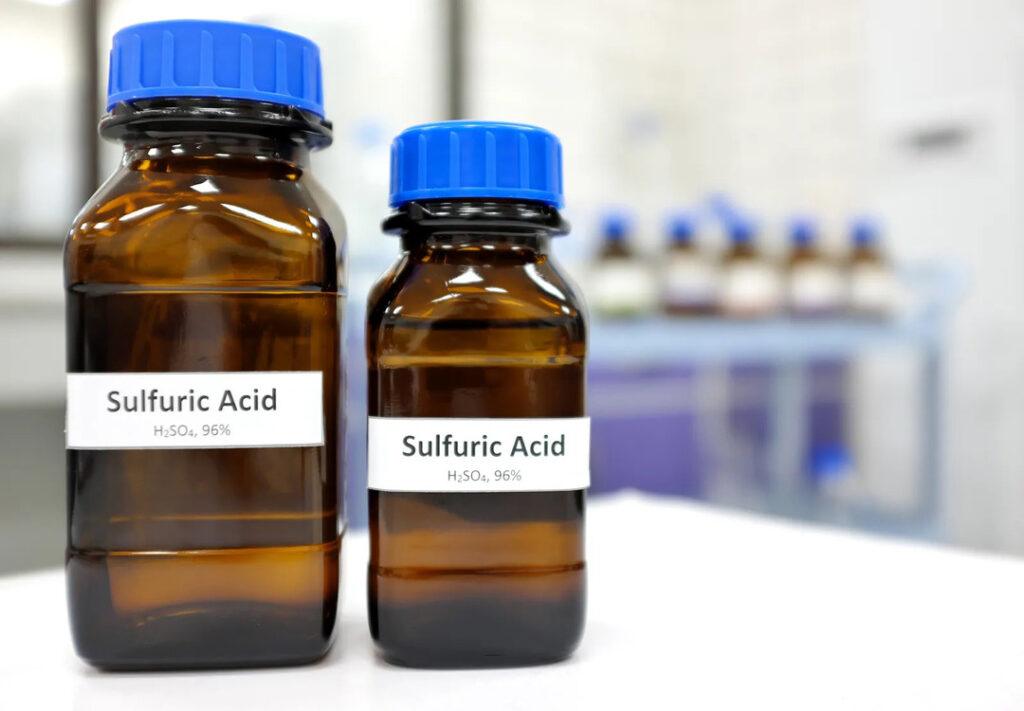
Sulfuric acid uses reach across fertilizers, batteries, metal processing, water treatment, and chemical manufacturing, but that broad utility is exactly why control matters. A chemical this common can become dangerously familiar inside a facility, especially when buyers treat it as a routine input instead of a highly corrosive material.
For procurement teams, warehouse supervisors, EHS staff, and production managers, sulfuric acid should be reviewed through two lenses at once: what it does for the process, and what can go wrong if concentration, compatibility, PPE, packaging, or storage controls are weak.
Sulfuric Acid Uses Touch Core Industrial Systems
Sulfuric acid is one of the defining industrial chemicals because it supports so many upstream and downstream processes. It is tied to fertilizer production, petroleum refining, mineral processing, metal treatment, lead-acid batteries, wastewater treatment, and chemical synthesis.
The U.S. Geological Survey describes sulfuric acid as a major sulfur derivative and a key raw material for industrial and fertilizer complexes through its sulfur statistics resources. That broad role explains why buyers often see sulfuric acid not as a specialty purchase, but as a recurring operational requirement.
That familiarity can create risk. A material used often may receive less scrutiny over time, even though concentration, grade, supplier documentation, packaging, and storage conditions still matter. The chemical may be common, but the consequences of mishandling it are not minor.
Fertilizers And Batteries Need Different Quality Questions
In fertilizer production, sulfuric acid is often part of the chemistry that helps convert raw materials into usable nutrient products. The buyer’s concerns may include acid concentration, impurities, supply continuity, compatibility with process equipment, and safe bulk handling.
Battery-related use creates a different review. Sulfuric acid is central to lead-acid battery electrolyte systems, where concentration, purity, and contamination control are directly tied to performance and reliability. A material suitable for one industrial process may not automatically fit another.
That distinction is important for procurement. The same acid name does not answer the application question. A buyer needs to know whether the supplied grade, test data, packaging, and handling instructions support the exact use case.
The safest purchasing habit is simple: use determines specification. Fertilizer, battery, metal treatment, and general manufacturing applications can each require different acceptance criteria.
Metal Processing Shows Why Concentration Matters
Sulfuric acid is also used in metal processing, including pickling, descaling, cleaning, and extraction-related applications. In these settings, concentration and process conditions influence performance, equipment compatibility, worker exposure, and waste-handling needs.
A stronger acid solution may work faster, but it can also increase corrosive risk, heat release during dilution, fume concerns, and damage to incompatible materials. A weaker solution may be easier to handle but unsuitable for the intended process. Buyers should not separate performance from safety.
The SDS, CoA, technical data sheet, and supplier guidance should all match the material being supplied. If the concentration on the label differs from the purchase order or document file, the shipment should not move into routine use until clarified.
This is also where internal storage knowledge matters. The guide to corrosive storage controls is relevant because sulfuric acid belongs in the broader class of materials that require segregation, compatible packaging, clear labels, and emergency planning.
Handling Risk Starts Before The Container Opens
Sulfuric acid is corrosive and can cause serious injury through skin, eye, respiratory, or tissue exposure. OSHA’s sulfuric acid chemical data identifies the chemical for workplace safety purposes, including exposure and monitoring context.
The practical risk begins before transfer or dilution. Receiving teams should check container condition, label clarity, seals, corrosion, leaks, damaged closures, and whether the SDS matches the delivered concentration. A container that looks compromised should be isolated and reviewed before anyone attempts normal handling.
PPE must match the task. Opening a sealed drum, connecting a transfer line, diluting acid, cleaning a spill, or sampling a batch can require different levels of protection. Face, eye, hand, body, and respiratory protection decisions should follow the SDS and site procedure, not informal habit.
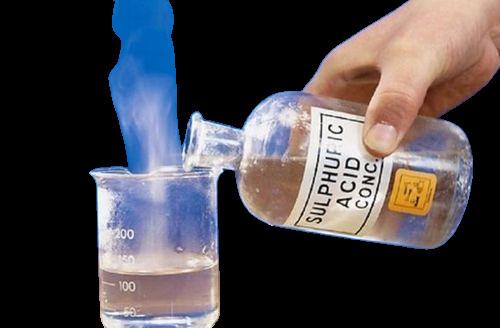
Dilution deserves special discipline. Adding water to concentrated acid can create violent heat release and splashing. Site procedures should control the method, order of addition, mixing rate, temperature, ventilation, and emergency readiness.
| Use Area | What Sulfuric Acid Does | Main Control Point |
|---|---|---|
| Fertilizer production | Supports nutrient chemical processing | Concentration, impurities, bulk handling |
| Lead-acid batteries | Functions in electrolyte systems | Purity, concentration, contamination control |
| Metal processing | Pickling, descaling, cleaning, extraction support | Compatibility, fumes, process control |
| Water treatment | pH adjustment and process chemistry | Dosing accuracy and containment |
| Chemical manufacturing | Reactant or processing aid | Specification, CoA, change control |
| Petroleum refining | Supports processing and treatment steps | Safe transfer, corrosion control |
Compatibility Is The Storage Issue Buyers Cannot Ignore
Sulfuric acid storage should be built around incompatibility risk. The acid should be separated from bases, many organic materials, reactive metals, and incompatible chemicals that could generate heat, gas, splashing, corrosion, or hazardous reaction products.
Storage teams should not place sulfuric acid wherever open space exists. They should consider containment, ventilation, container compatibility, temperature conditions, floor protection, access control, eyewash and shower locations, spill kits, and emergency routes.
Packaging also matters. Bulk tanks, drums, carboys, and smaller containers each create different handling and inspection needs. A damaged closure or unreadable label is not a cosmetic issue; it weakens control over identity and emergency response.
The key principle is segregation before incident response. If incompatible materials are separated correctly, a leak or spill is less likely to escalate into a larger warehouse event.
The Next Risk Is Normalizing A Dangerous Material
The pressure point with sulfuric acid is not lack of awareness. Most teams know it is hazardous. The problem is normalization.
A chemical used every week can become part of routine warehouse rhythm. Workers may trust memory over labels. Procurement may reorder without checking supplier changes. Operators may rely on old dilution habits. Storage teams may accept minor packaging damage because earlier shipments arrived the same way.
That is where discipline has to replace familiarity. Buyers should confirm grade, concentration, CoA requirements, SDS accuracy, packaging condition, and change-control expectations. EHS teams should verify PPE, emergency equipment, ventilation, spill procedures, and storage segregation. QA and production teams should confirm whether impurities or concentration shifts affect process outcomes.
Sulfuric acid uses will remain important across fertilizers, batteries, metal processing, and industrial manufacturing because the chemical solves real process problems. The companies that manage it well are the ones that never let its usefulness hide its risk. Strict control is not extra caution; it is the cost of using a powerful acid responsibly.
FAQ’s
What is sulfuric acid mainly used for?
Sulfuric acid is used in fertilizer production, lead-acid batteries, metal processing, petroleum refining, water treatment, and chemical manufacturing. The required grade and concentration depend on the application.
Why does sulfuric acid require strict storage control?
Sulfuric acid is highly corrosive and incompatible with many materials. Poor storage can create leaks, heat, gas, splashing, container damage, or dangerous reactions with nearby chemicals.
What should buyers check before purchasing sulfuric acid?
Buyers should check concentration, grade, SDS accuracy, CoA requirements, packaging compatibility, supplier change-control practices, storage instructions, and whether the acid fits the intended process.