

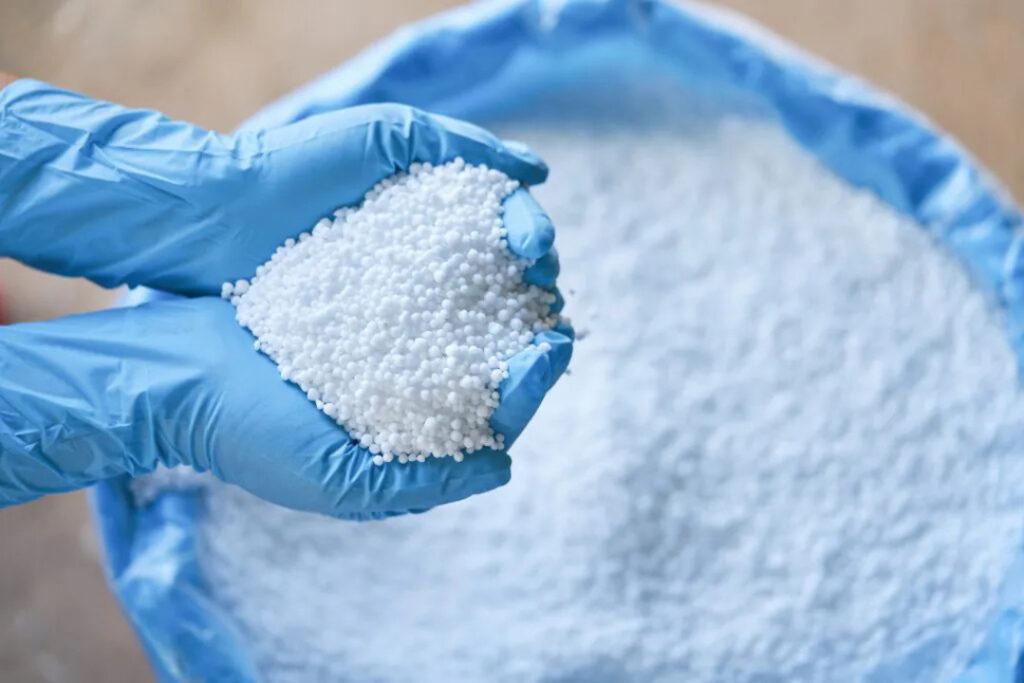
Urea uses stretch far beyond one familiar role in fertilizer. The same basic chemical can support crop nutrition, resin production, plastics manufacturing, and diesel emissions control, but each application demands a different view of grade, purity, storage, and documentation.
That is where buyers can get into trouble. Urea may look simple on a product list, yet the wrong grade or weak documentation can affect agricultural performance, manufacturing consistency, emissions systems, and downstream compliance. Any purchase decision should begin with the intended use, not only the chemical name.
Urea Uses Begin With A Simple But Powerful Nitrogen Source
Urea is an organic nitrogen-containing compound commonly produced as a white crystalline solid or granule. Its best-known industrial role is as a nitrogen fertilizer, where it supplies concentrated nitrogen for crop growth.
The University of Minnesota Extension describes fertilizer urea as a white crystalline solid containing 46 percent nitrogen, widely used in agriculture as fertilizer and animal feed additive through its fertilizer urea guidance.
That high nitrogen concentration is one reason urea has become important in agricultural supply chains. It can be transported, stored, blended, and applied in ways that make it useful across many farming systems. Still, fertilizer performance depends on handling, timing, soil conditions, and application method. Urea is not simply “nitrogen in a bag.”
For industrial buyers, the first lesson is clear: chemical identity is not enough. Urea intended for fertilizer does not automatically fit resin, plastics, laboratory, or diesel exhaust fluid applications.
Fertilizer Buyers Need More Than A Nitrogen Percentage
In fertilizer markets, urea is valued because it delivers nitrogen in a compact form. But procurement teams still need to check physical condition, granule quality, moisture, caking tendency, storage requirements, and compatibility with blending or application systems.
Moisture control is especially important. Urea can absorb moisture under poor conditions, creating caking, clumping, flow problems, or dosing inconsistency. That can affect warehouse handling and field application before the buyer ever reaches the nutrient discussion.
The buyer should review the Certificate of Analysis, storage instructions, packaging type, and any anti-caking treatment or coating details if provided. Granule size and physical durability may matter for blending and spreading. A product that meets a broad nitrogen claim can still create operational trouble if it arrives damaged, wet, dusty, or poorly packaged.
Urea fertilizer purchasing is therefore both a nutrient decision and a logistics decision. If the material cannot be stored, moved, and applied reliably, the grade may not perform as expected.
Resins And Plastics Put Urea Into A Different Risk Category
Urea is also used in manufacturing chemistry, especially in urea-formaldehyde resin systems. Those resins are associated with adhesives, panels, molded materials, coatings, laminates, and related industrial products.
This is a different buyer problem from fertilizer. The concern is not crop uptake. It is reaction behavior, impurity control, moisture, consistency, and how the urea fits the resin or polymer process.
Small variations can affect viscosity, cure behavior, color, odor, shelf stability, or finished-product performance. In resin and plastics applications, buyers may need tighter review of assay, insoluble matter, ash, moisture, alkalinity or acidity, and other process-relevant parameters.
This is where chemical grade selection becomes practical. A lower-cost grade may be reasonable for one application and unsuitable for another. The buyer’s job is to connect the grade to the process, not simply approve the familiar chemical name.
For manufacturing teams, process fit controls value more than headline price.
| Application Area | What Urea Does | Buyer’s Main Review Point |
|---|---|---|
| Fertilizer | Supplies concentrated nitrogen | Nitrogen content, granule quality, moisture control |
| Animal feed additive | Provides non-protein nitrogen in specific uses | Grade suitability and feed-related documentation |
| Resins | Reacts in resin systems such as urea-formaldehyde | Purity, moisture, reaction consistency |
| Plastics and molded materials | Supports resin-based industrial products | Process behavior and impurity profile |
| Diesel exhaust fluid | Provides urea solution for SCR systems | DEF-grade purity, water quality, contamination control |
| Laboratory use | Supports testing or analytical work | Reagent quality and test-method suitability |
Diesel Exhaust Fluid Requires A Narrower Quality Mindset
Diesel exhaust fluid gives urea another role: emissions control. DEF is an aqueous urea solution used in selective catalytic reduction systems on many diesel engines to help reduce nitrogen oxide emissions.
The U.S. EPA explains through its diesel exhaust fluid resources that vehicles using SCR systems rely on DEF-related controls, including diagnostics and anti-tampering protections, to meet applicable emissions requirements.
That makes DEF-grade urea different from general industrial urea. Contamination, poor water quality, incorrect concentration, or unsuitable grade selection can create performance and equipment problems. DEF is not a place for casual substitution.
Buyers should review whether the supplier supports the required DEF quality expectations, packaging cleanliness, storage temperature guidance, shelf life, and contamination controls. Transfer equipment also matters. A clean product can become unsuitable if handled through contaminated hoses, tanks, pumps, or containers.
For DEF supply chains, purity and handling are inseparable.
Storage And Packaging Can Change Urea Before Use
Urea quality can shift during storage if packaging and warehouse controls are weak.
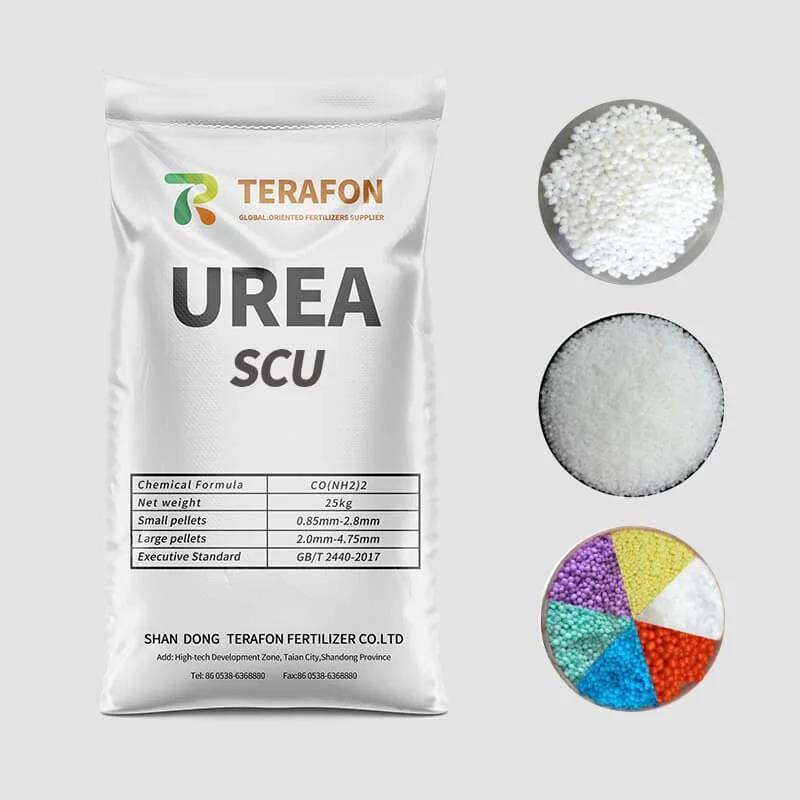
For dry urea, moisture exposure is the most obvious risk. Wet bags, humid storage, damaged liners, torn sacks, condensation, or open partial containers can lead to caking and flow problems. In some applications, moisture may also affect processing behavior.
For urea solution or DEF-related products, storage conditions, container cleanliness, and temperature control become more sensitive. Freezing, heat exposure, evaporation, contamination, or dirty transfer equipment can all create quality concerns.
Buyers should not treat packaging as a secondary detail. Bags, drums, bulk containers, liners, seals, valves, and labels all help preserve identity and usability. A shipment that arrives with broken seals, unclear batch numbers, wet pallets, damaged bags, or residue concerns should be reviewed before release.
The question is not only whether urea was produced correctly. The question is whether it stayed suitable until the point of use.
The Pressure Point Is Using One Grade For Too Many Jobs
The biggest urea procurement mistake is assuming one grade can safely serve every purpose.
A fertilizer-grade material may be exactly right for agricultural supply but wrong for resin production. A technical-grade material may be appropriate for manufacturing but unsupported for DEF. A reagent-grade material may be unnecessary for bulk industrial use but required for certain testing applications.
Buyers should define use first, then request the matching specification, CoA, SDS, packaging details, shelf-life guidance, and supplier change-control expectations. If the supplier changes source, grade, anti-caking treatment, packaging, water quality, or production route, the buyer should evaluate whether the application is affected.
Urea uses are broad because the chemical is versatile. That versatility is also the procurement risk. Buyers who treat urea as a single commodity may miss the differences that matter most: grade, purity, moisture, packaging, documentation, and end-use suitability. The better purchase decision starts by asking what the urea must do after it leaves the warehouse.
FAQ’s
What is urea mainly used for?
Urea is mainly used as a nitrogen fertilizer, but it also supports resin production, plastics manufacturing, animal feed applications, laboratory work, and diesel exhaust fluid for emissions-control systems.
Is fertilizer-grade urea suitable for diesel exhaust fluid?
No. DEF requires tightly controlled urea solution quality and contamination control. Fertilizer-grade urea should not be substituted for DEF unless the supplier can prove it meets the required DEF standard.
Why does urea storage matter?
Urea can be affected by moisture, packaging damage, contamination, heat, and poor handling. Storage conditions can change flowability, shelf life, solution quality, and suitability for the intended application.