

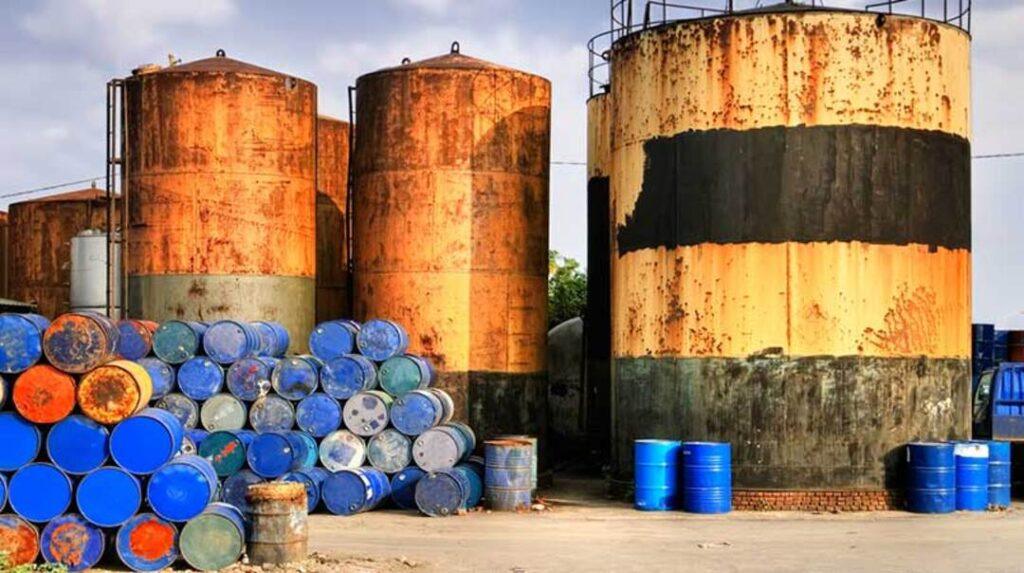
Storage conditions for industrial chemicals can change the quality of a material before it ever reaches production. A drum, bag, tote, or container may arrive with acceptable documents, but poor temperature control, moisture exposure, light, or incompatible storage can quietly turn a usable batch into a process risk.
For buyers and warehouse teams, the problem is often invisible at first. Material may look unchanged while assay, viscosity, flowability, particle size, odor, color, or reactivity shifts enough to affect finished quality. That is why storage should be treated as part of chemical quality control, not only as warehouse housekeeping.
Storage Conditions for Industrial Chemicals Begin At Receiving
Chemical storage risk begins the moment material reaches the site. Receiving teams should confirm that the shipment matches the purchase order, label, Certificate of Analysis, Safety Data Sheet, packaging specification, and any temperature or handling instruction provided by the supplier.
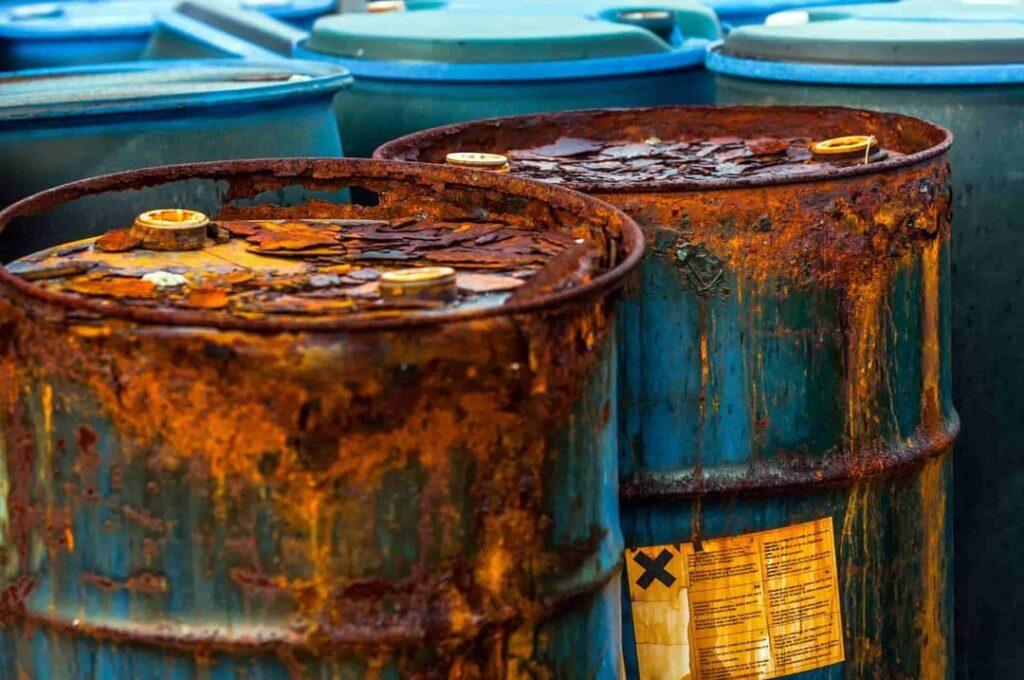
A batch that arrives with damaged packaging, unclear labels, broken seals, condensation, wet pallets, swollen containers, or missing storage instructions should not move directly into normal stock. Those signals may point to exposure during transit or handling.
Storage decisions should also consider packaging. A supplier may specify a drum, liner, closure, bag, pallet, or container because the material is sensitive to moisture, air, pressure, light, or contamination. Kilburn’s guide to chemical packaging specifications is a useful reference because packaging and storage conditions often work together to protect product quality.
The receiving step should answer one question clearly: can this material be stored under the conditions assumed when it was purchased?
Temperature Can Change More Than Appearance
Temperature control is not only about preventing dramatic failures. Many storage problems happen slowly.
Some chemicals thicken, crystallize, evaporate, separate, degrade, absorb heat, lose activity, or become harder to transfer when stored outside recommended temperature ranges. Others may remain visibly normal but perform differently in blending, coating, cleaning, formulation, or reaction steps.
A buyer should not rely on room-temperature assumptions. The SDS, technical data sheet, product specification, supplier instruction, and label may each contain storage guidance. OSHA’s mandatory SDS format includes safe storage conditions and incompatibilities in Section 7, which makes the SDS a practical storage-control document as well as a hazard communication file through SDS storage guidance.
Temperature records matter most for sensitive or high-value materials. If a chemical requires controlled storage, the site should define who checks the area, how excursions are recorded, and when QA must decide whether the material remains usable.
A simple rule helps: storage conditions are process conditions before production.
Moisture Exposure Can Quietly Change Quality
Moisture is one of the most underestimated storage risks in industrial chemicals.
Powders may cake, clump, lose flowability, or become harder to dose. Hygroscopic materials may absorb water from the air. Moisture-sensitive chemicals may react, degrade, produce gas, corrode packaging, or fall outside specification. Even when the material still looks usable, moisture may change how it behaves in production.
The risk is not limited to open containers. Poor seals, damaged liners, humid warehouses, temperature swings, wet pallets, condensation, or repeated opening for sampling can introduce moisture gradually. Once moisture enters the package, the problem may be difficult to reverse.
Buyers should check whether the supplier specifies dry storage, sealed containers, nitrogen blanketing, desiccants, humidity limits, or immediate resealing after use. Warehouse teams should avoid leaving partial containers open and should record when materials are opened, sampled, resealed, or transferred.
For many materials, moisture is not a cosmetic issue. It is a hidden quality variable.
| Storage Factor | What To Check | Possible Quality Impact |
|---|---|---|
| Temperature | Supplier range, warehouse records, heat exposure | Degradation, crystallization, viscosity change |
| Moisture | Seal condition, humidity, wet pallets, open containers | Caking, hydrolysis, corrosion, failed assay |
| Light exposure | Container type, sunlight, UV sensitivity | Color change, decomposition, instability |
| Incompatibility | Storage class, nearby chemicals, segregation | Fire, gas release, contamination, reaction |
| Shelf life | Expiry date, retest date, first-in-first-out use | Outdated or unverified material used |
| Packaging integrity | Closures, liners, labels, damage | Contamination, leakage, identity risk |
Shelf Life Is Not A Warehouse Guess
Shelf life should not be interpreted casually. A supplier’s stated shelf life, expiry date, or retest date is connected to storage assumptions.
If the material is stored correctly, the supplier’s date may support continued use up to the stated period or until retesting is required. If the material is exposed to heat, moisture, air, light, or contamination, the date on the document may no longer be enough.
Buyers should separate expiry from retest. An expiry date usually signals the end of the supplier-supported use period. A retest date means the material may need evaluation before continued use. Those terms should be confirmed with the supplier rather than guessed by procurement or warehouse staff.
Inventory discipline also matters. First-in-first-out control can reduce aging risk, but it does not replace condition checks. Old material stored well may be less risky than newer material stored poorly, depending on the chemical and application.
Shelf life should be managed through records, not memory.
Compatibility Controls Protect More Than Safety
Chemical compatibility is often discussed as a safety issue, but it also protects product quality.
Incompatible storage can create fire, heat, toxic gas, corrosion, container failure, or contamination risks. The American Chemical Society’s chemical storage resources emphasize the need to separate incompatible chemicals because dangerous conditions can result if they mix.
For industrial facilities, compatibility control should include acids, bases, oxidizers, reducers, flammables, water-reactive materials, corrosives, toxics, and other relevant hazard groups. Segregation should be based on chemical properties, not only alphabetical order or available shelf space.
The same idea applies to cross-contamination. A leaking container, damaged closure, shared transfer tool, or poorly cleaned scoop can compromise material even if no dramatic reaction occurs. Contamination may show up later as color defects, odor issues, impurity failures, process instability, or customer complaints.
Strong storage programs protect both people and batches.
The Pressure Points That Expose Weak Storage Programs
Storage systems usually fail at the handoff points.
The first handoff is between procurement and warehouse teams. If the purchase order includes special storage expectations but the warehouse never receives them, the material can be stored incorrectly from day one. The second handoff is between warehouse and production. If opened containers, aging stock, or questionable packaging are not flagged, production may use material that should have been reviewed.
The third handoff is between supplier documentation and internal procedures. A site may have an SDS on file but no practical rule for temperature checks, humidity control, segregation, relabeling, partial-container handling, or retesting.
Warning signs include repeated container damage, missing open dates, expired stock, unlabeled partial containers, wet pallets, uncontrolled warehouse heat, mixed storage classes, and unexplained quality variation from batch to batch.
Storage conditions for industrial chemicals should be reviewed before the material is accepted, during warehouse life, and before release to production. When buyers, QA, EHS, and warehouse teams treat storage as part of quality control, they reduce the chance that a good purchase becomes a bad batch before it is ever used.
FAQ’s
Why do storage conditions affect industrial chemical quality?
Storage conditions affect chemical stability, moisture exposure, contamination risk, packaging integrity, and shelf life. Poor storage can change how a material performs even when it still appears normal.
Where should buyers find the correct storage conditions?
Buyers should review the SDS, TDS, product specification, label, packaging instructions, and supplier guidance. When information conflicts or seems incomplete, the supplier should clarify conditions before acceptance.
Does shelf life still apply if storage conditions were poor?
Not automatically. Shelf life usually assumes recommended storage conditions were followed. If material was exposed to heat, moisture, air, light, or contamination, QA should review it before use.